
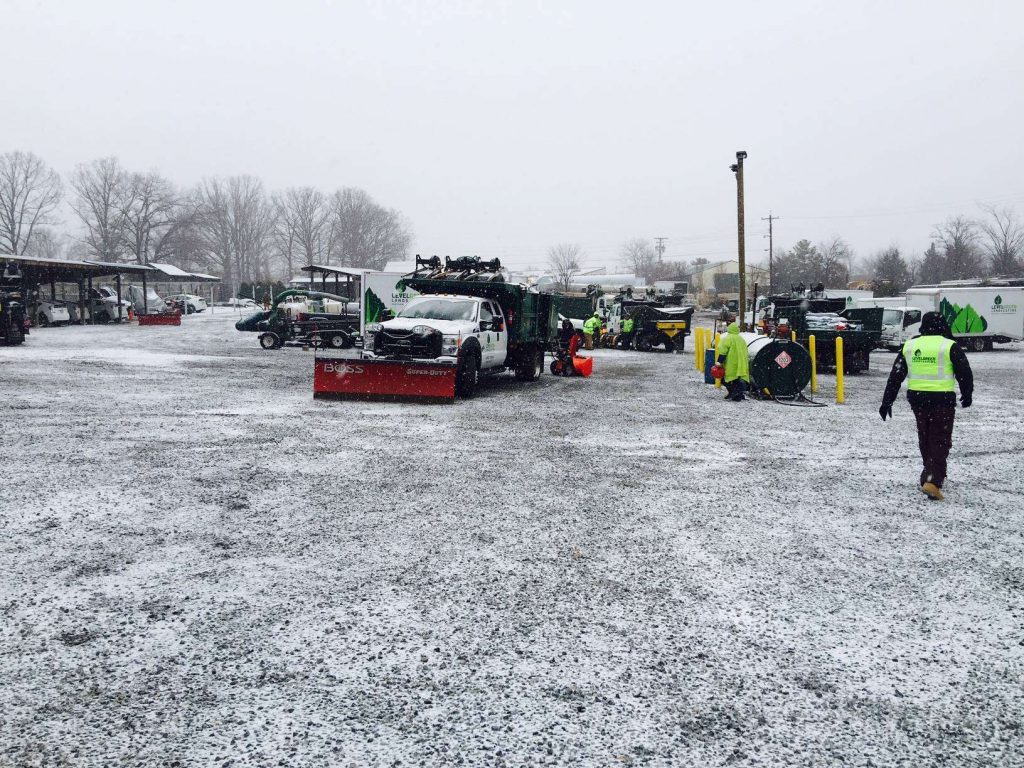
Winter weather can transform your property into a snow-covered wonderland — but beneath that beautiful white blanket, your lawn, trees, and hardscapes may be at risk. Heavy snow, ice buildup, and improper clearing methods can cause costly damage that lingers long after the snow melts. That’s why following the right snow removal landscaping tips is essential for keeping your landscape healthy, safe, and visually appealing all season long.
Whether you manage a commercial property or maintain a residential landscape, smart winter strategies can prevent broken branches, dead grass, cracked pavement, and erosion. Let’s explore the most effective ways to protect your outdoor investment while keeping walkways clear and safe.
Why Snow Removal Can Damage Your Landscape
Before jumping into solutions, it’s important to understand the risks. Snow and ice removal isn’t just about clearing paths — it can impact every part of your landscape.
Common winter issues include:
- Compacted or suffocated grass
- Broken tree limbs from heavy snow loads
- Salt damage to plants and soil
- Scratched or cracked hardscapes
- Snow piles smothering shrubs and turf
- Soil erosion during melt cycles
Without proper planning, routine snow clearing can accidentally harm the very landscape you’re trying to maintain.
That’s where smart snow removal landscaping tips come in.
1. Mark Landscape Edges Before the First Snowfall
One of the simplest but most overlooked tips is marking your property before winter hits.
Install stakes or reflective markers around:
- Lawn edges
- Garden beds
- Shrubs
- Driveways
- Walkways
- Retaining walls
These guides help snow plow operators and shovel crews avoid scraping turf or hitting hidden hardscapes. This small step prevents accidental gouges in your lawn or damage to stonework.
Pro tip: Use brightly colored markers that stay visible during heavy snowfall.
2. Choose the Right Snow Removal Tools
Using improper equipment is a fast way to damage grass and hard surfaces.
When clearing snow:
- Use plastic shovels instead of metal ones
- Adjust plow blades slightly above ground level
- Avoid heavy machinery on soft turf areas
- Use rubber-edged plows for paved surfaces
Metal blades can scrape concrete, chip pavers, and tear sod. Choosing gentler tools protects both your snow removal landscaping tips and your repair budget.
3. Avoid Piling Snow on Lawns and Plant Beds
It may seem convenient to push snow onto grassy areas or flower beds, but this causes long-term problems.
Large snow piles:
- Smother grass
- Create fungal diseases like snow mold
- Delay spring growth
- Crush plants and shrubs
Instead, designate specific snow storage areas away from sensitive snow removal landscaping tips. Use open spaces or paved sections where melting runoff won’t damage plants.
This is one of the most effective snow removal landscaping tips for preserving turf health.
4. Use Plant-Safe Deicing Products
Traditional rock salt is harsh on landscapes. While it melts ice quickly, it can:
- Burn plant roots
- Discolor grass
- Change soil chemistry
- Damage nearby trees and shrubs
Switch to safer alternatives like:
- Calcium magnesium acetate (CMA)
- Sand for traction
- Pet- and plant-safe deicers
- Brine solutions applied sparingly
Applying deicers strategically instead of excessively helps protect both plants and hardscapes.
Less is more — over-salting causes more damage than most people realize.
5. Protect Trees and Shrubs from Heavy Snow
Snow buildup on branches can cause splitting or permanent structural damage.
Here’s how to safeguard your plants:
- Gently brush off heavy snow with a broom (never shake branches harshly)
- Wrap young or fragile shrubs in burlap
- Prune weak limbs before winter
- Tie multi-stem shrubs together to prevent spreading
Preventative care reduces the chance of breakage during storms and keeps your landscape looking healthy in spring.
6. Prevent Ice Dams and Drainage Issues
Poor drainage can create ice sheets that harm both snow removal landscaping tips and pedestrians.
Make sure to:
- Clear storm drains
- Keep gutters clean
- Direct meltwater away from turf
- Avoid blocking natural runoff paths with snow piles
Standing water that refreezes can suffocate roots and crack hard surfaces. Managing drainage is a crucial but often forgotten step in winter property care.
7. Be Gentle on Hardscapes
Pavers, patios, and sidewalks are expensive investments. Rough snow removal landscaping tips can shorten their lifespan.
Follow these precautions:
- Don’t use metal blades on decorative stone
- Avoid harsh chemicals that weaken concrete
- Shovel early and often to prevent thick ice buildup
- Repair cracks before winter to stop freeze-thaw expansion
Consistent maintenance reduces the need for aggressive removal methods later.
8. Schedule Professional Snow Removal Landscaping Tips Services
For commercial or large residential properties, professional crews offer safer and more efficient snow clearing.
Experienced teams:
- Use landscape-friendly equipment
- Plan safe snow storage areas
- Apply deicers responsibly
- Prevent unnecessary damage
- Work faster during storms
Hiring experts ensures your property stays accessible without sacrificing plant or surface health.
Professional services often follow proven snow removal landscaping tips that protect your entire outdoor environment.
9. Inspect Your Landscape After Every Storm
Post-storm checks help catch issues early.
Look for:
- Broken branches
- Ice buildup around trees
- Salt residue on turf
- Cracks in pavement
- Compacted snow on lawns
Addressing small problems immediately prevents bigger repairs later.
10. Plan Ahead for Spring Recovery
Winter care doesn’t stop when the snow melts.
Prepare for spring by:
- Aerating compacted lawns
- Rinsing salt from soil
- Pruning damaged branches
- Repairing hardscape cracks
- Reseeding thin turf areas
Early recovery keeps your property healthy and vibrant heading into the growing season.
Final Thoughts
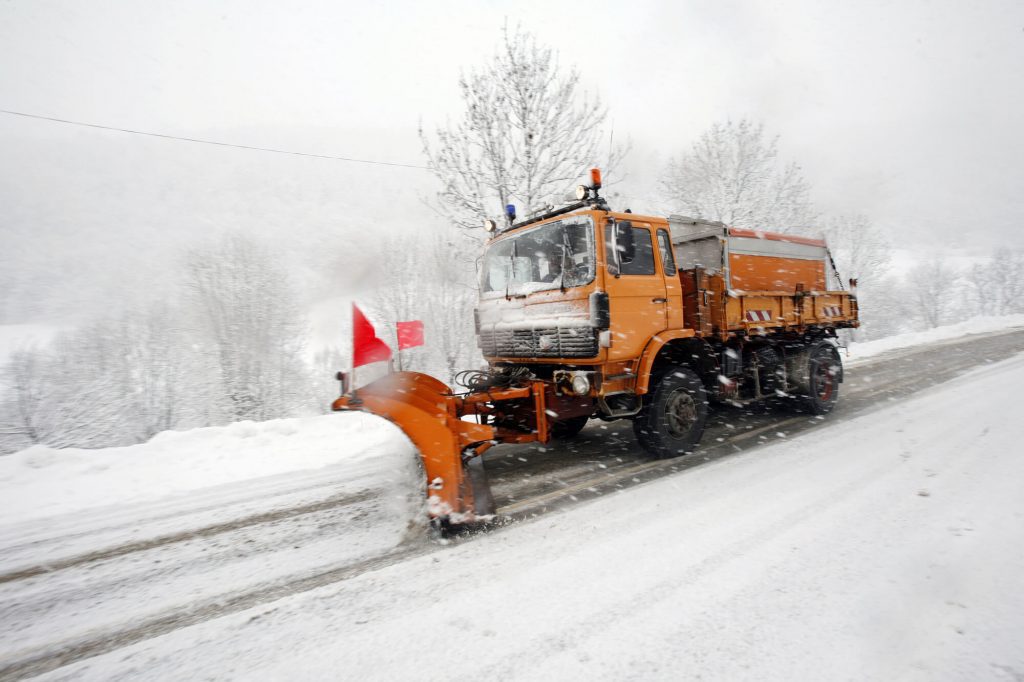
Snow and ice are unavoidable parts of winter, but landscape damage doesn’t have to be. With the right preparation, tools, and techniques, you can protect your lawn, trees, and hardscapes while maintaining safe access throughout the season.
Following these proven snow removal landscaping tips helps extend the life of your outdoor spaces, reduce costly repairs, and keep your property looking its best year-round.
A little planning today saves a lot of restoration tomorrow — and your landscape will thank you when spring arrives.