
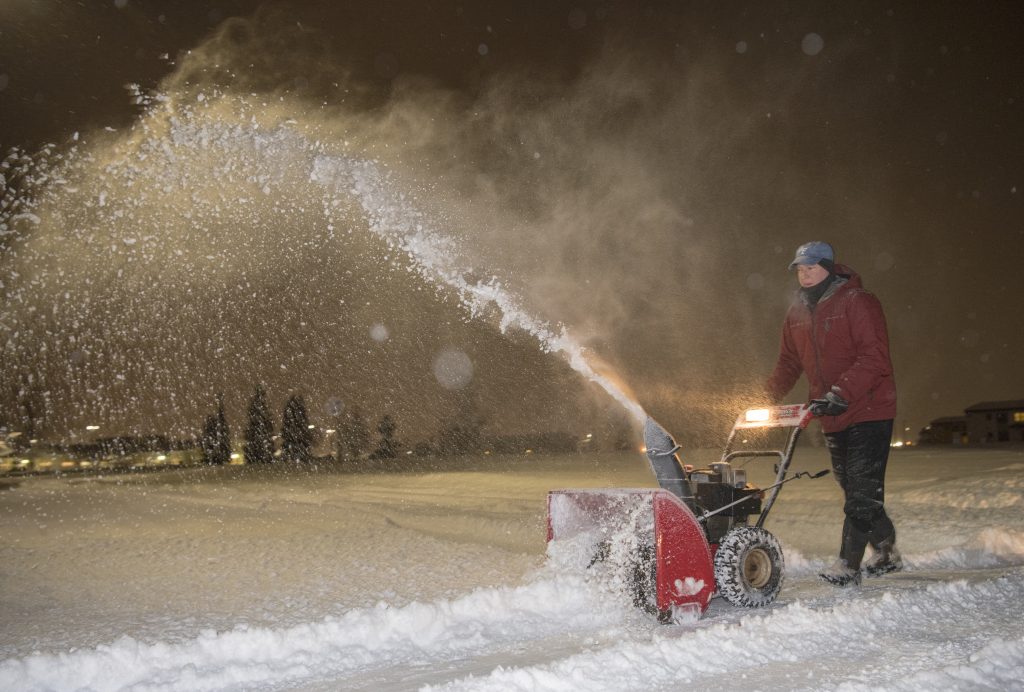
As winter weather patterns continue to shift and become more unpredictable, businesses across North America are looking for smarter, safer, and more efficient snow management solutions. The demand for reliable snow removal 2026 strategies is already rising, and companies that get ahead of the curve will gain a competitive advantage in safety, cost efficiency, and operational readiness. Whether you manage a commercial facility, retail center, industrial property, or multi-unit housing complex, understanding today’s snow removal innovations is essential for navigating the winters ahead.
Below, we break down the top snow removal trends businesses should prepare for in 2026—and how these advancements can help reduce risks, lower long-term costs, and create safer environments all season long.
1. Increased Adoption of Smart Snow Removal Technology
One of the biggest shifts coming in snow removal 2026 is the rapid adoption of smart technology that can automate or improve decision-making. Businesses are increasingly embracing digital solutions that provide real-time insights into weather conditions, site needs, and operational performance.
Key technologies shaping 2026 include:
- IoT-connected sensors placed throughout a property to monitor surface temperature, ice formation, and snowfall accumulation.
- GPS-enabled equipment tracking to optimize routes and reduce wasted fuel and labor hours.
- AI-powered forecasting tools that help snow management teams anticipate storms earlier and plan resources more effectively.
These tools are especially valuable for large commercial sites, where even small delays can lead to safety risks or costly interruptions. By combining automated data with strategic planning, smart snow removal reduces uncertainty while improving response times.
2. Greater Demand for Eco-Friendly Snow and Ice Management
Environmental responsibility is a major focus heading into snow removal 2026, with new regulations, customer expectations, and sustainability goals influencing how businesses approach winter maintenance.
Eco-friendly snow removal trends include:
- Reduced salt usage through brining, liquid de-icers, and automated spreader technology.
- Biodegradable melting products that limit impact on landscaping, water systems, and infrastructure.
- Energy-efficient snow equipment, including electric plows and hybrid machines.
- Snow melting systems powered by renewable energy, such as geothermal or solar-assisted systems.
Municipalities and commercial clients alike are pushing for winter practices that minimize environmental damage. Businesses that invest in greener snow removal methods not only reduce their ecological footprint—they also protect pavement, extend the lifespan of their outdoor surfaces, and decrease long-term property maintenance costs.
3. Rise of Contracted Snow Removal and Year-Round Service Partnerships
As weather becomes less predictable, more companies are turning to professional snow removal teams for long-term service agreements. The trend heading into snow removal 2026 shows a sharp increase in full-season or year-round contracts rather than one-off emergency calls.
Why businesses are choosing contracted services:
- Guaranteed service availability during peak storm times
- Predictable budgeting through seasonal or flat-rate contracts
- Faster response times during heavy snowfall
- Priority service levels based on agreement terms
Year-round partnerships also allow snow removal professionals to familiarize themselves with a property’s layout, hazards, and high-priority areas, resulting in more efficient service when winter storms hit. This trend will continue to grow as businesses seek stability and reliability.
4. More Efficient and Automated Snow Removal Equipment
Technological advances in snow removal equipment are transforming the way crews work—and 2026 will see an even greater shift toward automation and efficiency.
Equipment innovations include:
- Electric-powered snowplows that reduce emissions and lower fuel costs.
- Autonomous or semi-autonomous snow machines, designed to handle repetitive clearing tasks in large open areas such as parking lots.
- High-efficiency spreaders and plows with advanced calibration tools that deliver precise salt and de-icer distribution.
- Improved blower and loader systems capable of clearing larger volumes of snow faster.
Automation is expected to be one of the fastest-growing areas within the snow removal 2026 industry as businesses look for ways to reduce labor shortages and improve operational reliability.
5. Increased Focus on Liability Reduction and Safety Compliance
Slip-and-fall incidents are among the most common and costly risks facing commercial businesses during winter. Insurance companies and property owners are becoming more diligent about documentation, safety protocols, and proactive snow and ice management measures.
Trends that will shape safety in 2026:
- Digital record-keeping of all snow removal activities, including timestamps, equipment logs, and photos.
- More rigorous site inspections before, during, and after storms.
- Enhanced snow route planning to prioritize high-risk zones like entrances, walkways, and loading docks.
- Increased training requirements for snow removal personnel.
By implementing stricter safety standards, businesses can protect their employees, visitors, and assets while also reducing legal exposure. Professional snow removal partners with strong documentation capabilities will be in high demand as liability awareness continues to increase.
6. AI-Driven Storm Prediction and Resource Management
The integration of artificial intelligence into snow removal forecasting is one of the biggest breakthroughs shaping snow removal 2026. AI models can analyze hundreds of data points—weather patterns, historical trends, storm trajectories, and ground-level conditions—to deliver highly accurate predictions.
Benefits of AI-enhanced forecasting:
- Improved planning for heavy snowfall or ice conditions
- Optimized labor scheduling, reducing costs
- Better resource allocation, such as salt, equipment, and fuel
- Faster response times, minimizing hazardous conditions
AI forecasting tools help snow removal teams act before a storm hits, lowering on-site risks and reducing the total amount of labor and materials needed.
7. Customized Snow Removal Plans for Different Property Types
In 2026, snow removal will no longer follow a one-size-fits-all approach. Businesses are increasingly looking for tailored solutions based on their unique property layouts, traffic patterns, and operational schedules.
For example:
- Industrial sites require specialized access for trucks and loading equipment.
- Retail centers need clear walkways and parking lots during open hours.
- Healthcare facilities demand 24/7 snow and ice monitoring.
- Property management companies require consistent service across multiple locations.
Custom snow management plans help businesses streamline operations, maintain safety, and avoid downtime during winter storms.
Conclusion: Getting Ahead of Snow Removal 2026
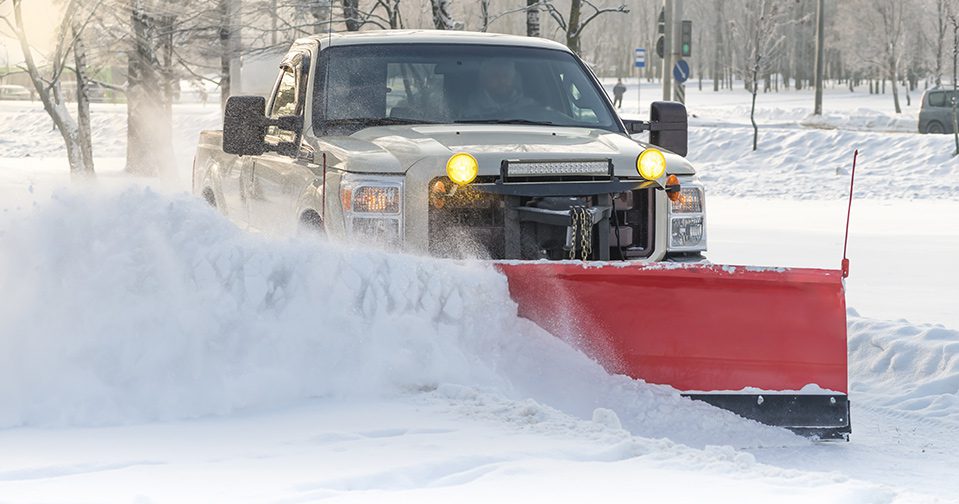
As we move closer to 2026, snow management is becoming more advanced, data-driven, and sustainability focused. Businesses that prepare now will be better equipped to handle volatile weather, rising service demands, and evolving safety expectations. From smart technology and AI forecasting to eco-friendly practices and automated equipment, the industry is entering a new era of innovation.
Investing in the latest snow removal trends not only enhances safety—it also reduces long-term costs, improves efficiency, and provides peace of mind when winter storms arrive. If your business wants to stay ahead in snow removal 2026, now is the best time to evaluate your current winter maintenance plan and explore modern solutions that meet today’s changing needs.