
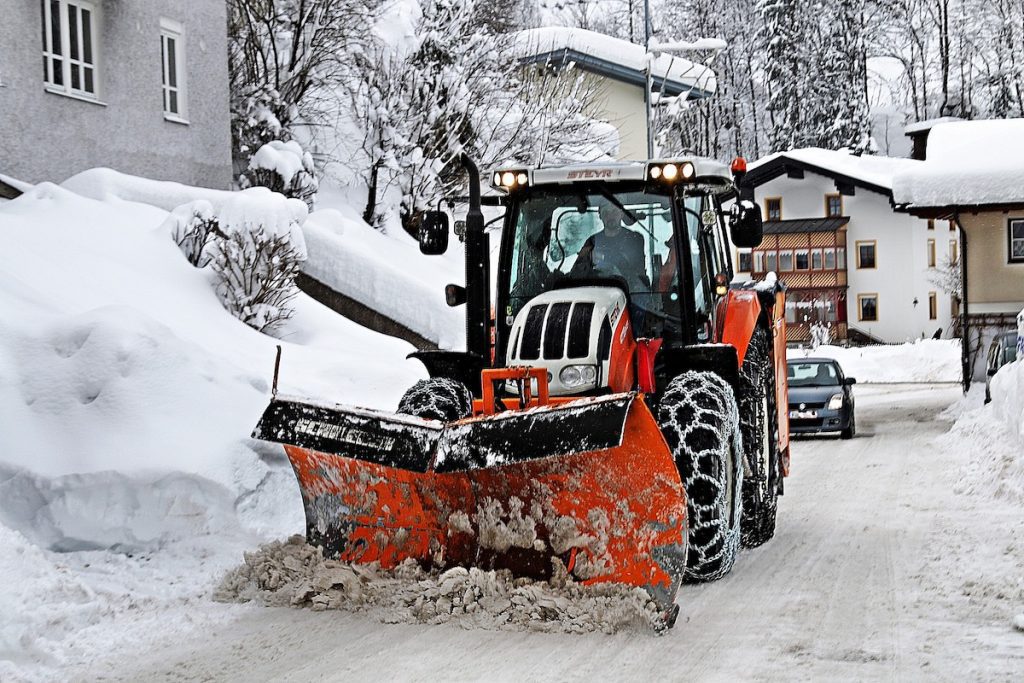
As winter conditions grow more unpredictable each year, businesses, municipalities, and property owners are prioritizing safer and more efficient snow management strategies. With cutting-edge machinery, digital technologies, and intelligent design upgrades shaping the industry, Snow Equipment 2026 is redefining what safe winter operations truly look like. These new innovations are not only intended to clear snow faster — they are engineered to reduce accidents, increase visibility, improve precision, and create safer environments for workers and the public.
From AI-powered plows to electric-powered snow blowers, the advancements expected in 2026 are setting a new standard for modern snow removal. Below, we take an in-depth look at how these new technologies will greatly enhance safety, efficiency, and reliability during the winter months.
1. Smarter, GPS-Integrated Snowplows for Greater Accuracy
One of the biggest safety improvements coming with Snow Equipment 2026 is the widespread integration of GPS technology into snowplows and commercial snow removal fleets. These systems are becoming far more advanced, allowing for:
- Precise route planning
- Real-time tracking of equipment
- Accurate documentation of cleared areas
- Optimized traffic flow during major storms
GPS-enabled plows reduce the risk of overlooked areas, accidental property damage, and equipment collisions. With operators guided through streamlined digital maps, plow movements become more controlled and predictable, even during low-visibility conditions. This level of precision not only improves safety—it also increases efficiency and eliminates wasted time or materials.
2. AI-Powered Controls and Predictive Automation
Artificial intelligence is revolutionizing nearly every industry, and snow management is no exception. In Snow Equipment 2026, AI-driven control systems will give equipment operators a major safety advantage.
These systems can automatically adjust plow angles, spreader calibration, and speed based on real-time conditions. Instead of relying solely on human judgment in a snowstorm, AI provides:
- Enhanced traction control
- Automatic braking in hazardous areas
- Predictive ice-detection technology
- Immediate response to sudden changes in terrain
By reducing operator error, AI contributes to better decision-making during storms and drastically lowers the likelihood of accidents. Predictive systems can even alert operators before equipment enters icy or high-risk zones.
3. Electric Snow Equipment 2026 for Quieter, Safer Operation
Another trend rising quickly for Snow Equipment 2026 is the shift toward electric-powered machines. Electric snow blowers, plows, and compact loaders are becoming increasingly popular due to their reliability, reduced emissions, and quieter performance.
From a safety standpoint, electric equipment offers several key benefits:
- No exhaust fumes, making enclosed or high-traffic areas safer
- Lower vibration, reducing operator fatigue
- Instant torque, improving performance during heavy snow
- Reduced noise levels, allowing teams to communicate more clearly
Clear communication is crucial during snow events, and quieter equipment significantly reduces the risk of miscommunication-related accidents.
4. Enhanced Lighting Systems for Maximum Visibility
Poor visibility is one of the biggest safety hazards during winter operations. The next generation of Snow Equipment 2026 is expected to feature advanced LED lighting technology designed to combat darkness, blowing snow, and blinding reflections.
Modern lighting systems will include:
- 360-degree LED bars
- Integrated hazard-warning strobes
- High-visibility reflective surfaces
- Low-glare illumination that reduces eye strain
Better visibility reduces collisions, prevents operator fatigue, and makes it easier for pedestrians and drivers to identify snow equipment on the road. These improvements benefit not only the equipment operators but every person navigating the winter environment.
5. Improved Traction and Stability Systems
Ice-covered surfaces can be unpredictable and dangerous, especially when using heavy machinery. Snow Equipment 2026 is introducing advanced traction technology that helps reduce slippage and rollovers.
New safety enhancements include:
- Adaptive tire chains that automatically tighten or loosen based on terrain
- Self-leveling suspension systems that maintain machine stability
- Smart traction sensors that alert operators when grip is compromised
- Upgraded treads designed for deep-snow performance
With safer footing and more responsive movement, machines are less likely to lose control, minimizing the risk of injuries or property damage.
6. Autonomous and Semi-Autonomous Snow Machines
The future of snow removal is rapidly moving toward automation. Autonomous equipment is becoming more viable, especially for large flat areas such as parking lots or airport runways. In Snow Equipment 2026, semi-autonomous machines will act as a “second driver,” assisting operators with repetitive or hazardous tasks.
Key safety benefits of semi-autonomous snow equipment include:
- Reduced human exposure to extreme weather
- Consistent speed and direction control
- Elimination of fatigue-related errors
- Improved precision during night operations
While fully autonomous snowplows may still be limited in scope, their safety contributions are undeniable. Automated systems can clear snow in dangerous zones, keeping human operators out of harm’s way.
7. Real-Time Monitoring and Data Logging for Liability Protection
Documentation is a major part of winter risk management. In 2026, snow removal equipment will increasingly feature real-time monitoring and automatic data logging systems.
These systems record:
- Exact times snow was cleared
- Temperatures and conditions
- Salt or de-icer usage
- Operator behavior and paths taken
This information is critical for reducing liability risks, especially in commercial and municipal settings. When slip-and-fall claims arise, digital records can quickly prove that services were completed properly and on schedule.
Additionally, real-time monitoring helps team leaders identify potential safety issues before they escalate.
8. Ergonomic Designs That Improve Operator Safety and Comfort
A major focus of Snow Equipment 2026 is operator health and ergonomic improvement. Long hours in severe winter conditions can strain the body, leading to fatigue, discomfort, and decreased alertness.
Modern snow equipment is being designed with:
- Heated cabs and windshields
- Shock-absorbing seats
- Improved cabin insulation
- Simplified control layouts
- Better climate-control systems
These features help operators stay focused, alert, and safe during long winter shifts. Comfortable operators are less likely to make mistakes and more likely to maintain high-quality performance in hazardous winter environments.
9. Faster, More Efficient Ice-Melting Technology
Safety during winter isn’t just about snow removal—ice control is equally important. New innovations in ice-melting systems are improving traction and reducing slip hazards faster than traditional methods.
Ice control advancements for 2026 include:
- Precision spreaders that reduce overuse and environmental impact
- Liquid brine systems for quicker, more even coverage
- Automated application tools that adjust based on temperature and surface conditions
- Environmentally friendly de-icers that perform better in low temperatures
These technologies help create safer surfaces in less time while reducing the risk of over-salting, which can damage pavement and increase slip hazards when improperly applied.
Conclusion: Why Snow Equipment 2026 Will Transform Winter Safety
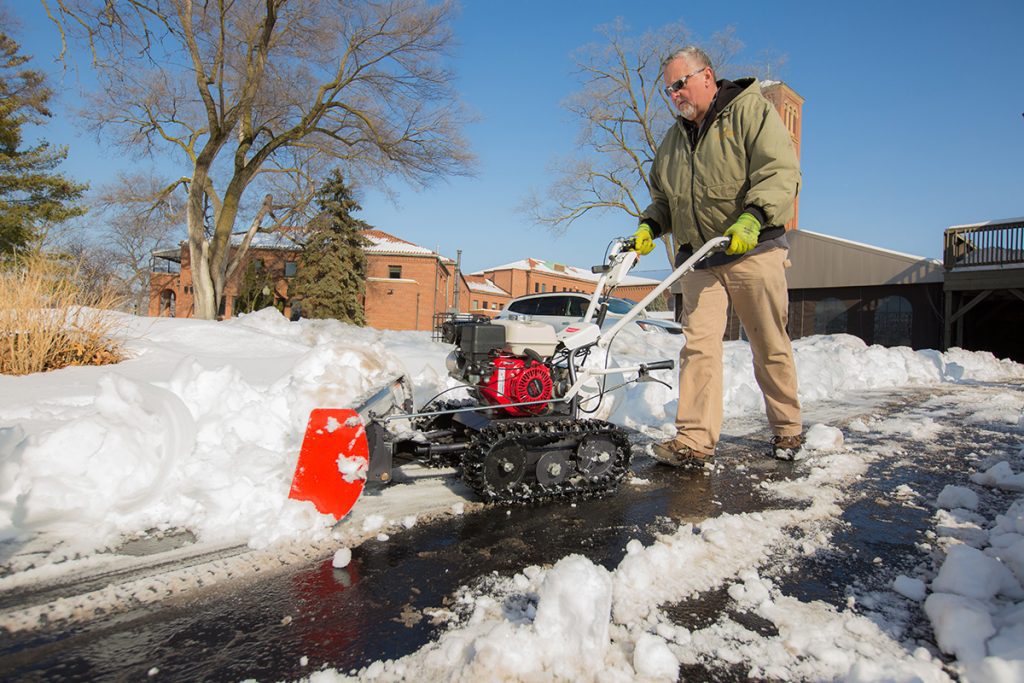
The snow removal industry is entering a new era—one driven by innovation, automation, and intelligent design. As businesses and municipalities prepare for increasingly harsh winters, the safety enhancements offered by Snow Equipment 2026 will be invaluable.
From AI-powered controls and GPS-driven precision to ergonomic designs and eco-friendly ice solutions, advanced snow equipment is creating safer environments for workers, property owners, and the public. Investing in these modern technologies not only reduces liability and improves efficiency—it also ensures that winter operations can be executed with confidence and accuracy.
For those looking to stay ahead, now is the perfect time to evaluate your winter maintenance strategies and explore the opportunities that Snow Equipment 2026 has to offer.