
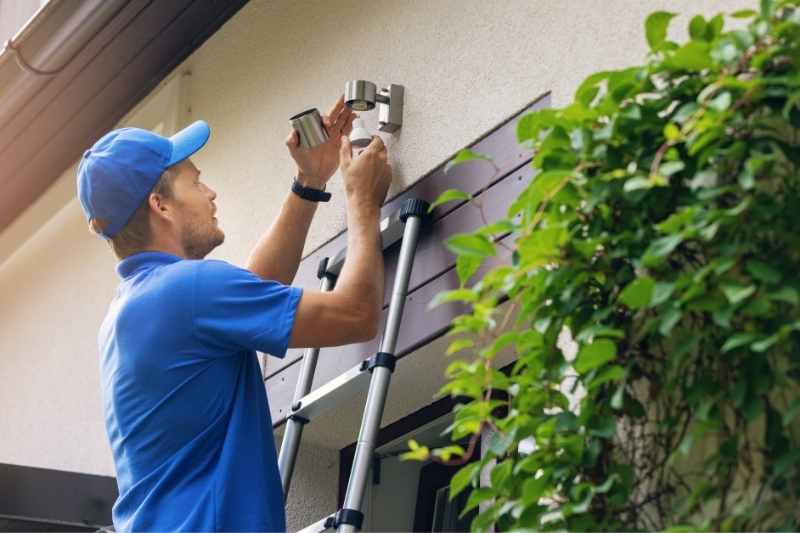
When it comes to protecting your investment, preventive property maintenance is one of the smartest strategies property owners and managers can implement. Instead of reacting to breakdowns, leaks, or structural damage after they occur, preventive maintenance focuses on identifying and addressing small issues before they turn into expensive problems.
Whether you manage a commercial building, multi-unit residential property, or industrial facility, a proactive maintenance approach can significantly reduce repair costs, extend asset life, and improve tenant satisfaction. In this guide, we’ll explore how preventive property maintenance works, why it matters, and how to implement an effective plan.
What Is Preventive Property Maintenance?
Preventive property maintenance is a scheduled, systematic approach to inspecting, servicing, and repairing building components before they fail. It involves routine inspections, cleaning, adjustments, and minor repairs that keep systems operating efficiently.
Instead of waiting for an HVAC system to fail in the middle of winter or a roof leak to damage interior spaces, preventive maintenance ensures these issues are addressed early.
Common areas covered under preventive property maintenance include:
- HVAC systems
- Roofing and gutters
- Plumbing systems
- Electrical systems
- Landscaping and exterior surfaces
- Parking lots and walkways
- Fire safety systems
- Structural components
The goal is simple: avoid emergency repairs and extend the lifespan of your property assets.
Why Preventive Property Maintenance Matters
1. Reduces Costly Emergency Repairs
Emergency repairs are often 3–5 times more expensive than scheduled maintenance. When a system fails unexpectedly, it can cause additional damage and disrupt operations.
For example:
- A small roof crack left unchecked can lead to water damage, mold, and insulation replacement.
- Ignored HVAC maintenance can result in compressor failure, one of the most expensive repairs.
By implementing preventive property maintenance, you detect issues early—saving thousands in reactive repair costs.
2. Extends Asset Life
Every major building system has a projected lifespan. Preventive care helps systems reach or even exceed that lifespan.
- Well-maintained HVAC systems can last 15–20 years.
- Regular roof inspections can extend roof life by 5–10 years.
- Proper pavement sealing can double the life of asphalt surfaces.
Routine servicing reduces wear and tear, ensuring equipment and structural components operate efficiently for longer.
3. Improves Safety and Reduces Liability
Property owners have a legal responsibility to provide safe environments. Preventive property maintenance helps reduce risks such as:
- Slip-and-fall accidents from cracked sidewalks
- Fire hazards from faulty wiring
- Water damage leading to mold growth
- Poor lighting in parking areas
By conducting regular inspections, you minimize hazards and reduce potential liability claims.
4. Enhances Tenant Satisfaction and Retention
Tenants expect well-maintained properties. When maintenance issues are addressed promptly and proactively, tenant satisfaction increases.
Preventive property maintenance ensures:
- Comfortable indoor temperatures
- Reliable plumbing and electrical systems
- Clean and attractive exterior spaces
- Minimal service disruptions
Happy tenants are more likely to renew leases, reducing turnover costs.
5. Protects Property Value
Properties that receive consistent maintenance retain higher market value. Deferred maintenance can significantly decrease appraisal value and deter potential buyers or investors.
A documented preventive property maintenance program demonstrates responsible ownership and enhances long-term asset performance.
Key Components of an Effective Preventive Property Maintenance Plan
To successfully implement preventive property maintenance, you need a structured approach.
1. Conduct a Property Assessment
Start with a comprehensive inspection of the entire property. Identify:
- Aging equipment
- Structural concerns
- Code compliance issues
- High-risk areas
This baseline assessment helps prioritize maintenance tasks.
2. Create a Maintenance Schedule
Develop a schedule based on manufacturer recommendations and industry best practices.
Monthly Tasks
- Inspect HVAC filters
- Check plumbing for leaks
- Test emergency lighting
Quarterly Tasks
- Roof inspections
- Fire alarm system testing
- Landscaping maintenance
Bi-Annual Tasks
- HVAC servicing
- Gutter cleaning
- Sealant inspections
Annual Tasks
- Full building inspection
- Pavement resealing
- Structural assessments
Consistency is critical for successful preventive property maintenance.
3. Keep Detailed Records
Documentation is essential. Maintain logs that include:
- Inspection dates
- Service performed
- Parts replaced
- Contractor information
- Warranty details
This not only helps track asset performance but also supports insurance claims and compliance requirements.
4. Budget for Maintenance
One of the biggest mistakes property owners make is underfunding maintenance.
A good rule of thumb is allocating 1–4% of property value annually toward maintenance, depending on building age and type.
Preventive property maintenance reduces surprise expenses, making budgeting more predictable and manageable.
5. Work With Professional Maintenance Providers
While some tasks can be handled in-house, partnering with professional maintenance companies ensures:
- Compliance with safety regulations
- Proper servicing of complex systems
- Access to skilled technicians
- Reduced liability
Professional service providers also offer maintenance contracts that simplify scheduling and tracking.
Common Mistakes to Avoid
Even with good intentions, preventive maintenance programs can fail due to:
- Inconsistent scheduling
- Ignoring minor issues
- Poor documentation
- Lack of communication with tenants
- Delayed approvals for necessary repairs
A successful preventive property maintenance strategy requires commitment and accountability.
Preventive vs. Reactive Maintenance: Cost Comparison
| Reactive Maintenance | Preventive Property Maintenance |
|---|---|
| Higher emergency repair costs | Lower long-term repair costs |
| Unexpected downtime | Minimal disruptions |
| Shortened asset lifespan | Extended equipment life |
| Higher liability risk | Improved safety |
| Lower property value | Increased property value |
The financial and operational advantages of preventive property maintenance clearly outweigh reactive approaches.
Technology and Modern Maintenance Solutions
Technology has transformed preventive property maintenance through:
- Maintenance management software (CMMS)
- Automated scheduling systems
- IoT sensors for equipment monitoring
- Digital inspection checklists
These tools provide real-time insights into equipment performance, helping identify potential failures before they occur.
Long-Term Benefits of Preventive Property Maintenance
When properly implemented, preventive property maintenance delivers:
- Reduced operational costs
- Improved energy efficiency
- Enhanced property reputation
- Better tenant relationships
- Increased asset lifespan
- Higher return on investment
It shifts maintenance from being an expense to becoming a strategic investment.
Final Thoughts
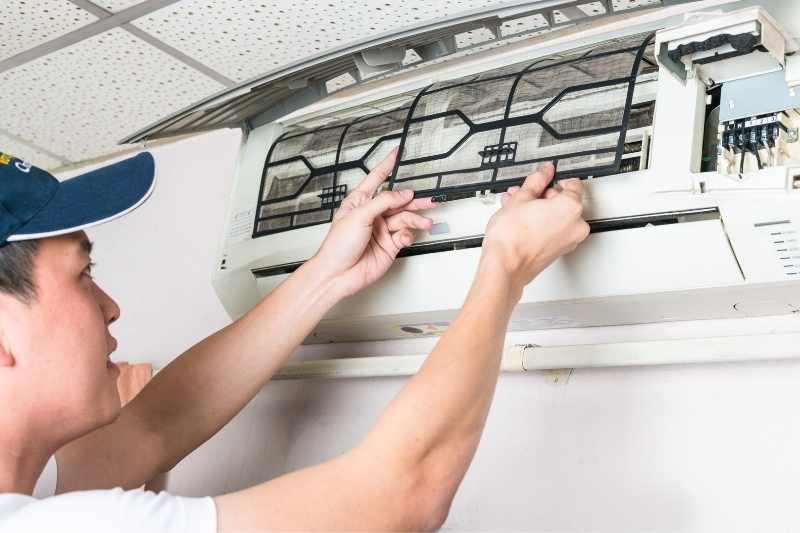
Preventive property maintenance is not just about fixing problems—it’s about preventing them. By taking a proactive approach, property owners and managers can reduce costly repairs, extend the life of critical assets, improve safety, and maintain property value.
The key is consistency, documentation, and partnering with experienced professionals. When preventive property maintenance becomes part of your operational strategy, your property runs more efficiently, tenants remain satisfied, and your investment stays protected for years to come.
If you’re looking to reduce long-term costs and safeguard your property, now is the time to implement a structured preventive property maintenance plan.