
In today’s competitive real estate market, first impressions matter more than ever. Whether you manage an office building, retail plaza, industrial facility, or multi-unit complex, strong commercial property maintenance is essential to preserving curb appeal, ensuring safety, and protecting long-term property value.
Well-maintained properties attract quality tenants, increase occupancy rates, and reduce liability risks. On the other hand, neglected buildings can quickly lose appeal, create safety hazards, and lead to costly repairs.
In this guide, we’ll explore proven commercial property maintenance strategies that enhance both appearance and safety—while supporting long-term asset performance.
Why Commercial Property Maintenance Matters
Commercial property maintenance is more than routine cleaning and landscaping. It’s a strategic, ongoing process designed to:
- Maintain structural integrity
- Improve visual appeal
- Reduce accidents and liability
- Extend asset lifespan
- Support tenant satisfaction
- Protect property value
A proactive maintenance strategy reduces emergency repairs and ensures your building always presents a professional image.
1. Prioritize Exterior Curb Appeal
The exterior of your property creates the first impression for tenants, clients, and visitors. Consistent commercial property maintenance ensures the building looks clean, modern, and inviting.
Landscaping and Groundskeeping
Regular landscaping maintenance improves visual appeal and safety. This includes:
- Lawn mowing and trimming
- Seasonal planting
- Tree and shrub pruning
- Weed control
- Irrigation system checks
Overgrown trees or poorly maintained landscaping can block visibility, damage structures, and create tripping hazards.
Parking Lot and Pavement Care
Your parking lot is one of the most heavily used areas of any commercial property. Maintenance strategies should include:
- Crack sealing
- Line repainting
- Pothole repairs
- Proper drainage management
Faded lines and damaged pavement not only look unprofessional but also increase liability risks from trips and vehicle damage.
Building Facade Maintenance
Regular pressure washing, window cleaning, and minor repairs keep the building exterior looking fresh. Addressing peeling paint, cracks, or signage damage quickly prevents deterioration and preserves brand image.
2. Implement Routine Safety Inspections
Safety is a core component of commercial property maintenance. Regular inspections help identify hazards before they become serious problems.
Walkways and Entry Points
Inspect:
- Sidewalk cracks
- Uneven surfaces
- Loose handrails
- Worn-out mats
- Ice accumulation in winter
Slip-and-fall accidents are one of the most common commercial property liability claims. Preventive maintenance significantly reduces this risk.
Lighting Systems
Proper lighting improves security and visibility. Maintenance tasks should include:
- Replacing burnt-out bulbs
- Upgrading to energy-efficient LED lighting
- Ensuring parking lots and stairwells are well-lit
A well-lit property discourages vandalism and enhances visitor confidence.
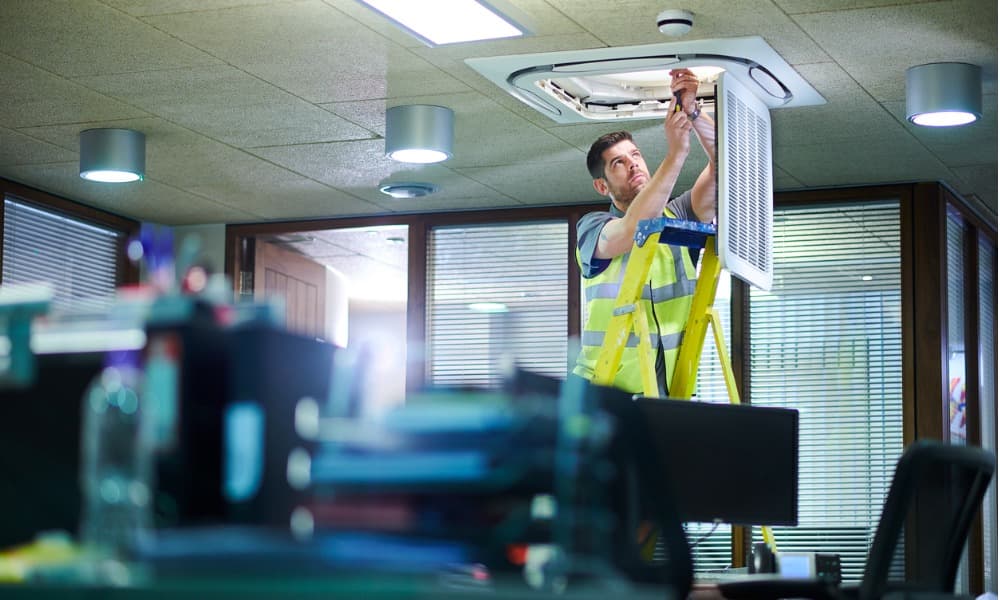
3. Maintain HVAC Systems for Comfort and Efficiency
Indoor comfort directly affects tenant satisfaction and employee productivity. Commercial property maintenance should include regular HVAC inspections and servicing.
Routine HVAC maintenance helps:
- Improve energy efficiency
- Prevent system breakdowns
- Extend equipment lifespan
- Maintain consistent indoor temperatures
Neglected systems can lead to poor air quality, higher utility costs, and expensive emergency repairs.
4. Roof and Gutter Maintenance
Roof damage can cause extensive interior issues if left unaddressed. Water infiltration can damage ceilings, insulation, and electrical systems.
A commercial property maintenance plan should include:
- Bi-annual roof inspections
- Debris removal
- Gutter cleaning
- Sealant checks
- Flashing inspections
Early detection of small leaks prevents large-scale repairs and costly business disruptions.
5. Plumbing and Drainage System Care
Plumbing failures can quickly escalate into major property damage. Routine inspections help detect:
- Leaks
- Pipe corrosion
- Drain clogs
- Water pressure issues
Additionally, proper exterior drainage prevents foundation damage and water pooling in parking areas. A proactive approach to commercial property maintenance reduces water-related risks significantly.
6. Fire and Life Safety Compliance
Safety compliance is non-negotiable for commercial properties. Maintenance programs should include regular testing and inspections of:
- Fire alarms
- Sprinkler systems
- Emergency exits
- Smoke detectors
- Fire extinguishers
Keeping systems operational not only ensures compliance with regulations but also protects occupants and assets.
7. Interior Maintenance and Cleanliness
Curb appeal doesn’t stop at the front door. The interior condition of your building impacts tenant satisfaction and retention.
Routine commercial property maintenance should cover:
- Floor care (carpet cleaning, tile polishing)
- Wall and ceiling inspections
- Elevator servicing
- Restroom sanitation
- Common area upkeep
Clean, well-maintained interiors reflect professionalism and increase property desirability.
8. Seasonal Maintenance Planning
Each season brings different maintenance challenges.
Spring and Summer
- Inspect roofing and siding after winter
- Repair landscaping damage
- Check irrigation systems
- Service HVAC cooling systems
Fall and Winter
- Clean gutters
- Inspect heating systems
- Apply de-icing treatments
- Prepare snow removal plans
Seasonal commercial property maintenance prevents weather-related damage and ensures year-round safety.
9. Use Preventive Maintenance Scheduling
A structured preventive maintenance schedule ensures nothing is overlooked. Instead of reacting to problems, property managers should implement:
- Monthly inspections
- Quarterly system checks
- Bi-annual servicing
- Annual comprehensive assessments
Digital maintenance management software can streamline scheduling, track service history, and monitor asset performance.
Consistency is the foundation of successful commercial property maintenance.
10. Partner With Professional Maintenance Providers
While some maintenance tasks can be handled in-house, working with professional maintenance providers offers significant advantages:
- Access to licensed technicians
- Compliance with safety regulations
- Efficient emergency response
- Advanced equipment and tools
Outsourcing commercial property maintenance allows property managers to focus on operations while ensuring expert care for critical systems.
Financial Benefits of Strong Commercial Property Maintenance
Investing in routine maintenance may seem like an expense, but it delivers measurable financial returns:
- Lower emergency repair costs
- Reduced liability claims
- Improved tenant retention
- Increased property value
- Extended asset lifespan
- Better energy efficiency
Neglecting maintenance often results in deferred repair costs that multiply over time. A proactive approach saves money in the long run.
Improving Security Through Maintenance
Commercial property maintenance also plays a role in property security. Damaged fencing, broken locks, or malfunctioning surveillance systems can compromise safety.
Routine checks should include:
- Security camera inspections
- Access control system testing
- Door and window hardware checks
- Perimeter fencing repairs
A secure property enhances tenant confidence and reduces criminal activity risks.
Creating a Long-Term Maintenance Strategy
To maximize the impact of commercial property maintenance:
- Conduct a full property assessment
- Develop a detailed maintenance calendar
- Allocate a dedicated maintenance budget
- Keep detailed service records
- Review and adjust the plan annually
A long-term strategy ensures continuous improvement and asset protection.
Final Thoughts

Effective commercial property maintenance is the key to improving curb appeal and ensuring safety. From landscaping and lighting to HVAC servicing and roof inspections, every component of your building plays a role in overall performance.
A proactive, preventive maintenance strategy not only enhances visual appeal but also reduces liability, extends asset life, and protects your investment. When commercial property maintenance becomes a priority, your property stands out in the marketplace—attracting tenants, retaining value, and delivering long-term returns.
Invest in consistent commercial property maintenance today to safeguard your property, improve safety, and create a lasting positive impression for years to come.