
In today’s competitive business environment, first impressions matter more than ever. The exterior of a commercial property is often the first thing clients, tenants, and employees see. A well-designed outdoor space communicates professionalism, stability, and attention to detail. That’s where commercial landscape construction plays a critical role.
Commercial landscape construction goes far beyond planting trees and laying sod. It involves strategic planning, structural development, durable materials, and long-term sustainability. When executed properly, it creates outdoor spaces that are both visually impressive and built to withstand heavy use.
In this guide, we’ll explore how to build durable and attractive commercial landscapes that enhance property value, improve safety, and support business success.
What Is Commercial Landscape Construction?
Commercial landscape construction refers to the planning, design, and installation of outdoor environments for business properties. This includes:
- Office complexes
- Retail centers
- Industrial facilities
- Healthcare buildings
- Schools and campuses
- Hospitality properties
Unlike residential landscaping, commercial landscape construction must handle higher traffic, stricter regulations, and long-term maintenance demands. Durability, safety, and efficiency are top priorities.
Why Commercial Landscape Construction Matters
1. Strong Curb Appeal
A professionally constructed landscape makes your property stand out. Clean walkways, organized plant beds, and modern hardscaping give visitors confidence in your business.
2. Increased Property Value
Well-designed outdoor spaces can significantly increase the overall value of commercial real estate. Investors and tenants are more attracted to properties that look polished and professionally maintained.
3. Improved Safety and Accessibility
Proper grading, lighting, and pathway construction reduce slip-and-fall risks and improve accessibility. Compliance with local building codes and accessibility standards is essential.
4. Environmental Responsibility
Modern commercial landscape construction integrates sustainable practices such as efficient irrigation systems, native plantings, and stormwater management solutions.
Key Elements of Durable Commercial Landscape Construction
To build outdoor spaces that last, every component must be carefully planned and installed.
1. Strategic Site Planning and Design
Successful commercial landscape construction starts with detailed planning. This includes:
- Site analysis and soil evaluation
- Drainage assessment
- Traffic flow mapping
- Utility coordination
- Climate considerations
A comprehensive design ensures the space is both functional and visually cohesive.
2. High-Quality Hardscaping
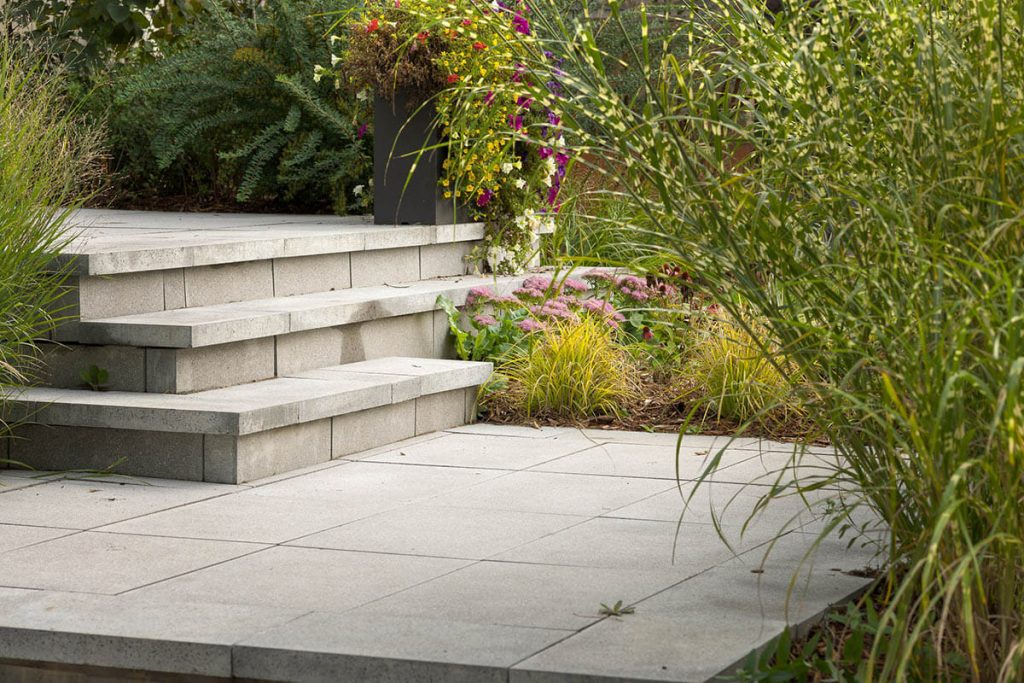
Hardscaping forms the backbone of any commercial property’s outdoor environment. It includes structural elements such as:
- Concrete sidewalks and walkways
- Retaining walls
- Patios and plazas
- Parking lot curbing
- Outdoor seating areas
Durable materials like reinforced concrete, natural stone, and interlocking pavers are commonly used in commercial landscape construction because they withstand heavy foot traffic and harsh weather conditions.
Proper base preparation and drainage installation are critical to prevent cracking and shifting over time.
3. Smart Drainage and Stormwater Management
Poor drainage can damage landscapes and building foundations. Commercial landscape construction must include engineered drainage solutions such as:
- French drains
- Catch basins
- Permeable paving systems
- Bioswales
- Retention ponds
These systems manage stormwater efficiently, prevent erosion, and ensure regulatory compliance.
4. Durable Plant Selection
Plant selection in commercial landscape construction focuses on longevity and low maintenance. Landscapes must thrive in high-traffic environments while requiring minimal upkeep.
Ideal choices include:
- Native plants adapted to local climates
- Drought-tolerant shrubs
- Ornamental grasses
- Hardy perennials
- Shade trees for energy efficiency
Using resilient plant materials reduces long-term maintenance costs and ensures consistent curb appeal.
5. Irrigation Systems Built for Efficiency
Water management is essential in commercial properties. Automated irrigation systems provide consistent watering while conserving resources.
Modern commercial landscape construction often includes:
- Smart controllers
- Drip irrigation systems
- Moisture sensors
- Zoned watering schedules
Efficient irrigation not only supports plant health but also reduces operational expenses.
6. Outdoor Lighting for Safety and Aesthetics
Lighting is a critical component of commercial landscape construction. It enhances both security and design.
Common lighting features include:
- Pathway lighting
- Parking lot illumination
- Architectural accent lighting
- Step and stair lighting
Energy-efficient LED systems improve visibility, deter crime, and create a welcoming nighttime atmosphere.
Building for Heavy Use and Longevity
Commercial properties experience significantly more traffic than residential spaces. Sidewalks, plazas, and gathering areas must withstand daily wear and tear.
To ensure durability:
- Use reinforced concrete for high-traffic areas
- Install compacted base layers beneath pavers
- Choose slip-resistant surface finishes
- Ensure proper slope and grading
Investing in quality materials during commercial landscape construction reduces long-term repair costs.
Sustainability in Commercial Landscape Construction
Sustainability is no longer optional—it’s expected. Businesses are increasingly prioritizing environmentally responsible practices.
Sustainable commercial landscape construction strategies include:
- Using recycled construction materials
- Installing permeable pavers
- Incorporating rainwater harvesting systems
- Selecting low-water plant varieties
- Reducing turf areas
Eco-friendly landscapes not only protect the environment but also improve brand image and attract environmentally conscious tenants and customers.
Outdoor Spaces That Support Business Operations
Modern commercial landscape construction goes beyond aesthetics. Outdoor environments can directly support business functions.
Examples include:
- Employee break areas with shaded seating
- Outdoor dining spaces for restaurants
- Courtyards for healthcare facilities
- Event spaces for hospitality properties
Well-designed outdoor spaces increase employee satisfaction and enhance customer experience.
Compliance and Accessibility Considerations
Commercial landscape construction must meet local building codes and accessibility requirements. This includes:
- ADA-compliant walkways
- Proper ramp slopes
- Handrails where required
- Clear pathway widths
- Adequate lighting for safety
Failure to comply with regulations can result in fines and liability risks. Working with experienced professionals ensures all standards are met.
Maintenance Planning from Day One
Durable design means planning for maintenance from the beginning. Commercial landscape construction should include a long-term maintenance strategy.
Considerations include:
- Easy access for maintenance crews
- Low-maintenance plant choices
- Durable surface materials
- Efficient irrigation systems
Proactive planning minimizes disruption and keeps the property looking professional year-round.
Return on Investment
Investing in commercial landscape construction delivers measurable returns:
- Increased tenant retention
- Higher property valuation
- Reduced liability risks
- Lower maintenance costs
- Improved brand perception
Attractive and functional outdoor spaces create a competitive advantage in crowded markets.
Choosing the Right Commercial Landscape Construction Partner
The success of your project depends heavily on your contractor. Look for a company with:
- Experience in large-scale commercial projects
- Knowledge of local regulations
- Strong project management capabilities
- Proven portfolio of completed work
- Comprehensive maintenance services
A professional team ensures the project stays on schedule and within budget while delivering lasting quality.
Final Thoughts
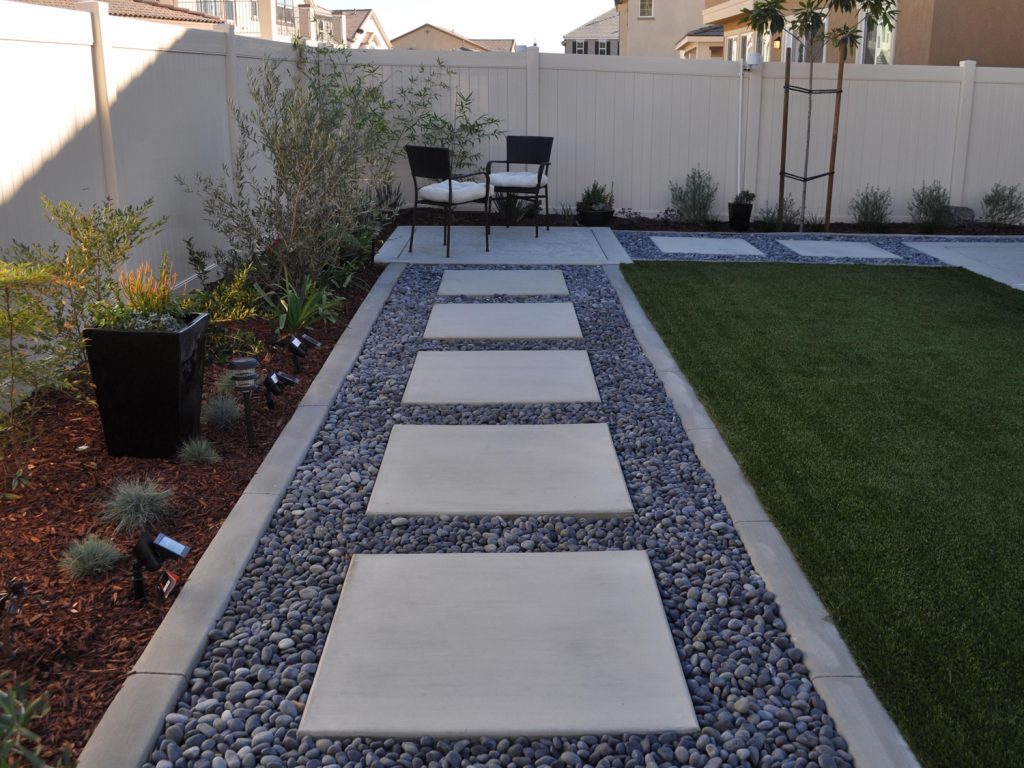
Commercial properties demand outdoor spaces that are as durable as they are attractive. Commercial landscape construction combines structural integrity, smart design, and sustainable practices to create environments that elevate business presence and withstand heavy use.
From engineered drainage systems to reinforced hardscapes and low-maintenance plantings, every detail matters. When thoughtfully designed and professionally installed, commercial landscape construction transforms ordinary properties into welcoming, safe, and valuable assets.
If your goal is to enhance curb appeal, increase property value, and create functional outdoor environments that support your business operations, investing in commercial landscape construction is a strategic decision that pays off for years to come.