
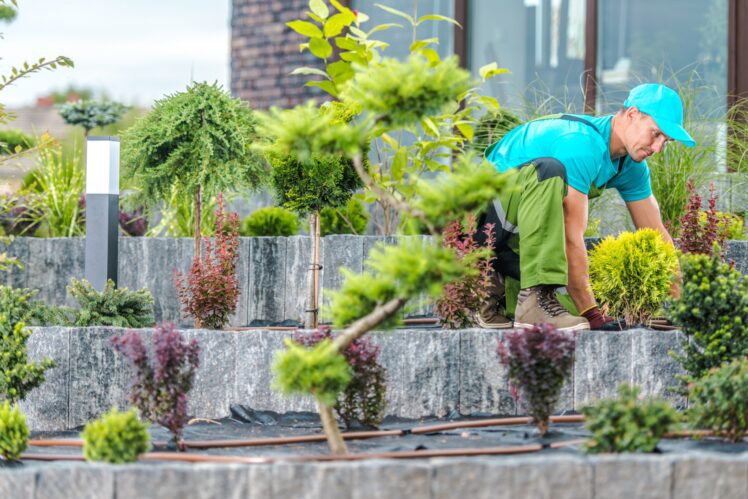
As winter fades and warmer temperatures arrive, property managers must shift their focus to seasonal upgrades and outdoor maintenance. Spring Commercial Landscaping plays a critical role in restoring curb appeal, improving safety, and protecting the long-term value of commercial properties. After months of snow, ice, and freezing temperatures, landscapes often require careful inspection and revitalization.
A well-structured spring landscaping checklist ensures nothing is overlooked. From lawn recovery to irrigation inspections and seasonal planting, proactive maintenance helps create welcoming, professional outdoor spaces that attract tenants, customers, and visitors.
Below is a comprehensive Spring Commercial Landscaping checklist designed specifically for property managers.
1. Conduct a Full Property Inspection
Before beginning any landscaping work, perform a thorough walk-through of the property. Winter conditions can leave behind hidden damage that needs immediate attention.
Look for:
- Dead or damaged turf areas
- Broken tree branches
- Cracked sidewalks or hardscapes
- Drainage issues or pooling water
- Damaged irrigation components
Document problem areas and prioritize repairs. Early detection prevents minor issues from becoming costly problems later in the season.
2. Clean Up Winter Debris
Spring clean-up is the foundation of effective Spring Commercial Landscaping. Snowplows, wind, and storms often leave debris scattered across lawns and garden beds.
Key cleanup tasks include:
- Removing fallen branches and leaves
- Clearing salt residue from walkways
- Cleaning parking lot landscape islands
- Removing trash and organic debris
- Power washing hard surfaces
This process instantly improves the property’s appearance and prepares the landscape for healthy new growth.
3. Lawn Recovery and Restoration
Commercial lawns experience heavy stress during winter. Snow mold, compaction, and salt exposure can damage turf.
Essential Lawn Care Steps:
Aeration:
Relieves soil compaction and allows oxygen, water, and nutrients to reach grassroots.
Overseeding:
Fills in bare patches and promotes thick, healthy turf.
Fertilization:
Apply a balanced spring fertilizer to stimulate strong root development.
Weed Control:
Use pre-emergent treatments to prevent weeds before they start.
Healthy lawns enhance curb appeal and create a positive first impression for clients and tenants.
4. Tree and Shrub Maintenance
Trees and shrubs add structure and beauty to commercial landscapes, but they often suffer winter damage.
Spring pruning should focus on:
- Removing dead or broken branches
- Shaping overgrown shrubs
- Eliminating crossing limbs
- Encouraging healthy growth patterns
Inspect for signs of disease or pest activity. Early intervention helps maintain plant health and prevents liability risks from falling branches.
5. Refresh Mulch and Garden Beds
Mulching is a simple but powerful step in Spring Commercial Landscaping.
Benefits of fresh mulch:
- Retains soil moisture
- Regulates soil temperature
- Suppresses weeds
- Improves visual appeal
Edge garden beds for a clean, defined look. Adding seasonal flowers or ornamental plants provides vibrant color that enhances the property’s overall aesthetic.
6. Inspect and Activate Irrigation Systems
Irrigation systems should never be turned on without inspection. Freezing temperatures can crack pipes and damage sprinkler heads.
Spring irrigation checklist:
- Inspect pipes for leaks
- Test sprinkler heads for proper spray patterns
- Adjust timers for seasonal watering needs
- Ensure proper drainage
Efficient irrigation conserves water, reduces costs, and keeps landscapes healthy throughout the growing season.
7. Address Drainage and Soil Issues
Spring rain can expose drainage problems that developed over winter.
Look for:
- Standing water
- Soil erosion
- Clogged drains
- Improper grading
Poor drainage can damage plant roots and weaken hardscapes. Correcting these issues early prevents structural and landscaping complications later in the year.
8. Enhance Entryways and High-Traffic Areas
Entry points, sidewalks, and parking areas are highly visible spaces that shape visitors’ first impressions.
Consider:
- Installing colorful spring flowers
- Updating planters
- Cleaning signage areas
- Trimming hedges near entrances
- Adding decorative stone or fresh mulch
Strategic upgrades in these areas elevate the professional appearance of your property.
9. Inspect Hardscapes and Outdoor Features
Winter freeze-thaw cycles often damage concrete, pavers, and retaining walls.
Inspect for:
- Cracks in sidewalks
- Uneven pavers
- Loose railings
- Damaged curbs
Addressing repairs quickly improves safety and reduces liability risks.
10. Review Landscape Safety Measures
Safety is a top priority for property managers. Spring is the ideal time to evaluate potential hazards.
Check for:
- Low-hanging branches
- Slippery walkways
- Poor lighting near landscaped areas
- Obstructed sightlines
Proper Spring Commercial Landscaping reduces trip hazards and creates a safer environment for tenants and visitors.
11. Plan Seasonal Planting and Enhancements
Spring is the perfect season to refresh your property with new plantings.
Consider:
- Native plant species
- Low-maintenance shrubs
- Drought-tolerant landscaping
- Pollinator-friendly gardens
These additions not only beautify the property but also support sustainability initiatives.
12. Create a Preventive Maintenance Schedule
One of the most important aspects of Spring Commercial Landscaping is ongoing care. A preventive maintenance plan ensures landscapes remain attractive and healthy throughout the year.
Your schedule should include:
- Weekly lawn mowing
- Monthly inspections
- Seasonal fertilization
- Routine pruning
- Irrigation monitoring
Working with a professional landscaping provider can simplify scheduling and ensure consistent results.
Benefits of Spring Commercial Landscaping for Property Managers
Investing in structured Spring Commercial Landscaping offers long-term advantages:
1. Increased Property Value
Well-maintained landscapes significantly enhance asset value.
2. Stronger Tenant Retention
Attractive outdoor spaces improve tenant satisfaction.
3. Improved Customer Perception
Clean, vibrant landscaping builds trust and professionalism.
4. Reduced Liability Risks
Addressing hazards early protects against accidents.
5. Lower Long-Term Costs
Preventive maintenance reduces major repair expenses.
Partnering with Professional Landscaping Services
While some tasks can be handled in-house, many property managers choose professional landscaping companies for efficiency and expertise. Experienced teams understand soil conditions, plant health, irrigation systems, and commercial property needs.
Professional Spring Commercial Landscaping services ensure:
- Timely project completion
- Proper equipment usage
- Compliance with safety standards
- Long-term landscape health
Outsourcing landscaping allows property managers to focus on tenant relations and operational responsibilities while ensuring outdoor spaces remain pristine.
Final Thoughts
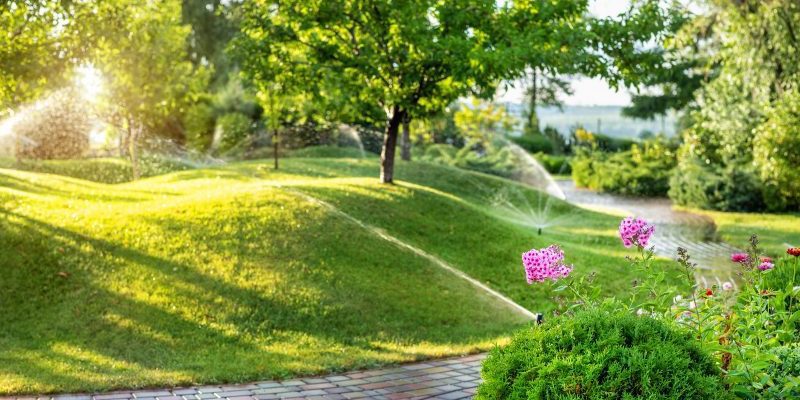
Spring marks a fresh start for commercial properties. After months of harsh weather, landscapes need attention, care, and strategic planning. Following a detailed Spring Commercial Landscaping checklist helps property managers restore beauty, improve safety, and protect property investments.
From lawn recovery and irrigation inspections to mulching and seasonal planting, every step contributes to a polished and professional appearance. Taking action early in the season sets the tone for months of healthy growth and positive impressions.
By prioritizing Spring Commercial Landscaping, property managers can confidently welcome tenants, customers, and visitors into clean, vibrant, and well-maintained commercial environments.