
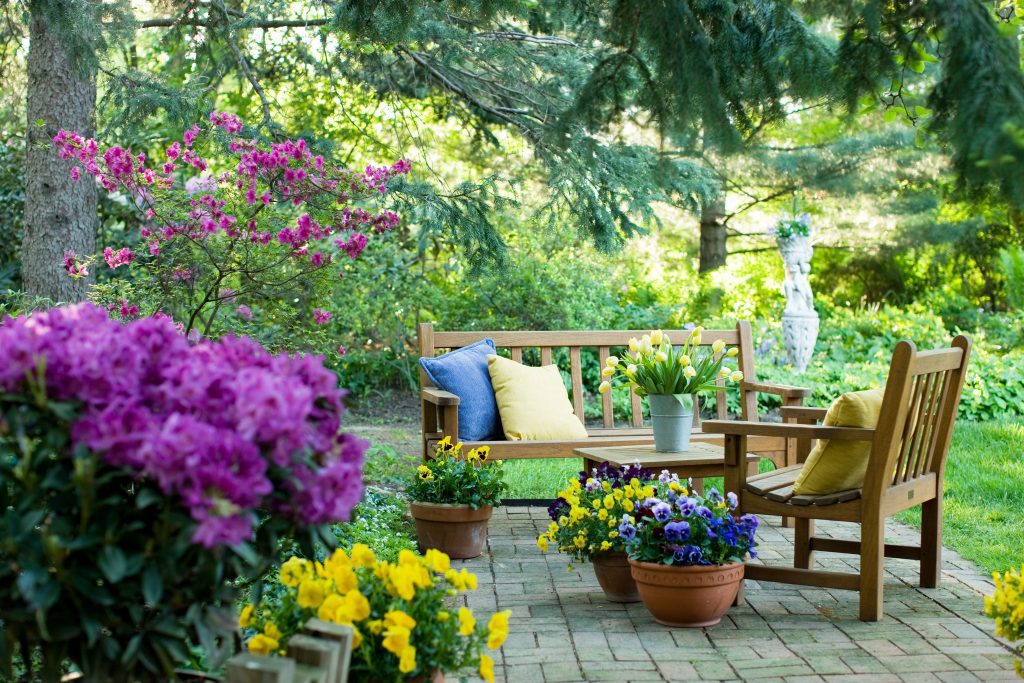
Spring is the perfect time to refresh your outdoor space after a long winter. As the snow melts and temperatures begin to rise, homeowners can finally focus on restoring the beauty of their lawns and gardens. With the right spring landscaping tips, you can transform a dull yard into a vibrant, healthy, and inviting outdoor area. Proper landscaping not only improves curb appeal but also promotes healthier plants and a more enjoyable environment for relaxing or entertaining.
In this guide, we will explore practical and effective spring landscaping tips to help you create a fresh and beautiful yard this season.
1. Start with a Thorough Yard Cleanup
The first step in any spring landscaping tips project is cleaning up the yard. Winter can leave behind fallen branches, dead leaves, and debris that may prevent your lawn and plants from growing properly.
Begin by removing leaves, twigs, and other debris from your lawn, flower beds, and walkways. Raking the lawn helps loosen compacted soil and allows fresh air and sunlight to reach the grass. This process also helps prevent mold and lawn diseases that may have developed during the colder months.
A clean yard provides the perfect foundation for implementing the rest of your spring landscaping tips.
2. Inspect Your Lawn for Winter Damage
After cleaning the yard, carefully inspect your lawn for signs of winter damage. Cold weather, heavy snow, and ice can cause patchy grass, soil compaction, and weakened roots.
Look for areas where the grass appears thin or brown. These spots may need reseeding or additional care to encourage healthy growth. Aerating the soil is also a great way to improve airflow and allow nutrients to reach the roots.
By addressing winter damage early, you can restore the health of your lawn and ensure it grows strong throughout the spring and summer seasons.
3. Prune Trees and Shrubs
Pruning is one of the most important spring landscaping tips for maintaining healthy plants. Overgrown branches and dead stems can limit plant growth and affect the overall appearance of your yard.
Trim dead, damaged, or diseased branches from trees and shrubs. This encourages new growth and improves plant structure. Proper pruning also helps sunlight reach the lower parts of plants, promoting even development.
However, be careful not to over-prune, as removing too much foliage can stress plants and slow their growth.
4. Prepare and Refresh Garden Beds
Garden beds often need extra attention in the spring. After months of cold weather, the soil may be compacted and lacking nutrients.
Start by loosening the soil with a garden fork or shovel. Remove weeds and old plant material to make space for new growth. Adding fresh compost or organic matter can significantly improve soil quality and provide essential nutrients for flowers and plants.
Refreshing your garden beds is one of the most effective spring landscaping tips for creating a healthy and colorful garden.
5. Plant Seasonal Flowers and Plants
Spring is the ideal time to introduce new flowers and plants to your landscape. Seasonal blooms add color, fragrance, and visual appeal to your yard.
Popular spring flowers include tulips, daffodils, pansies, and hyacinths. These plants thrive in cooler temperatures and create a vibrant garden display. You can also plant shrubs and perennials that will continue growing throughout the year.
When choosing plants, consider your climate, soil type, and the amount of sunlight your yard receives. Selecting the right plants will ensure your landscaping remains beautiful and easy to maintain.
6. Mulch Your Flower Beds
Mulching is another essential step in effective spring landscaping tips. Adding mulch around plants and garden beds offers several benefits.
Mulch helps retain soil moisture, regulate temperature, and prevent weed growth. It also improves the appearance of your garden by giving it a clean and polished look.
Organic mulches such as bark, wood chips, or shredded leaves gradually break down over time, enriching the soil with valuable nutrients. Apply a layer of mulch about two to three inches thick around plants, making sure not to pile it directly against stems or trunks.
7. Fertilize Your Lawn and Plants
After winter, your lawn and plants may need extra nutrients to regain their strength. Fertilizing in early spring helps promote healthy growth and vibrant greenery.
Choose a fertilizer suitable for your lawn type and apply it according to the recommended guidelines. Organic fertilizers are a popular option because they improve soil health while providing essential nutrients.
In addition to the lawn, consider fertilizing shrubs, trees, and flower beds. Proper fertilization is a key part of successful spring landscaping tips that encourage lush and thriving landscapes.
8. Check and Repair Irrigation Systems
A well-functioning irrigation system is crucial for maintaining a healthy yard during the growing season. Spring is the perfect time to inspect your sprinklers, hoses, and drip irrigation systems.
Check for leaks, clogged sprinkler heads, or damaged pipes that may have occurred during the winter. Fixing these issues early ensures your lawn and plants receive the proper amount of water.
Efficient irrigation not only supports plant growth but also helps conserve water and reduce utility costs.
9. Edge and Define Landscaping Areas
Edging is an often-overlooked step that can significantly improve the overall appearance of your yard. Clean edges between lawns, garden beds, and walkways create a neat and organized look.
Use a manual edger or landscaping tool to define these borders. This prevents grass from spreading into flower beds and keeps your landscaping design looking professional.
Adding stone, metal, or plastic edging can further enhance the structure and durability of your landscape layout.
10. Plan Future Landscaping Projects
Spring is not only about immediate improvements but also about planning future landscaping projects. Consider areas of your yard that could benefit from upgrades such as new patios, walkways, garden beds, or outdoor lighting.
Creating a landscaping plan allows you to prioritize projects and gradually enhance your outdoor space throughout the year.
Following these long-term spring landscaping tips helps maintain a well-designed yard that continues to evolve and improve over time.
Final Thoughts
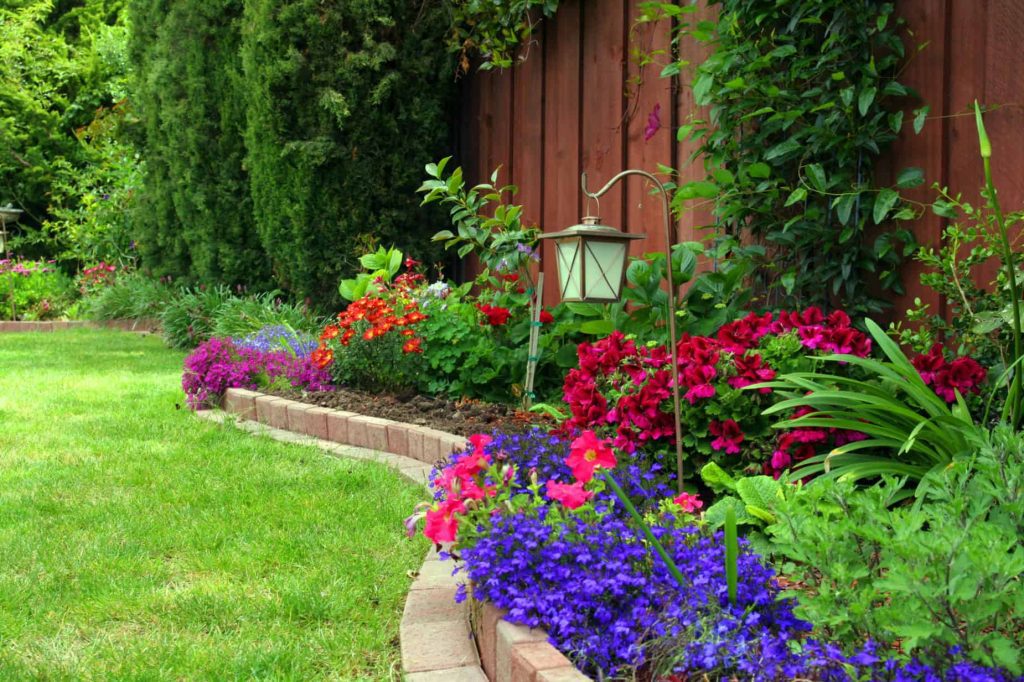
Spring offers the perfect opportunity to refresh your outdoor space and prepare it for the warmer months ahead. By following these practical spring landscaping tips, you can restore the health of your lawn, improve the beauty of your garden, and create a welcoming environment for family and guests.
From cleaning up winter debris and pruning plants to fertilizing the lawn and planting seasonal flowers, each step plays an important role in maintaining a vibrant and thriving landscape. With proper care and attention, your yard can become a beautiful extension of your home that you will enjoy throughout the year.
Investing time in spring landscaping tips not only enhances curb appeal but also supports the long-term health of your plants and outdoor spaces. Start implementing these spring landscaping tips today and watch your yard transform into a fresh and beautiful oasis. 🌿