
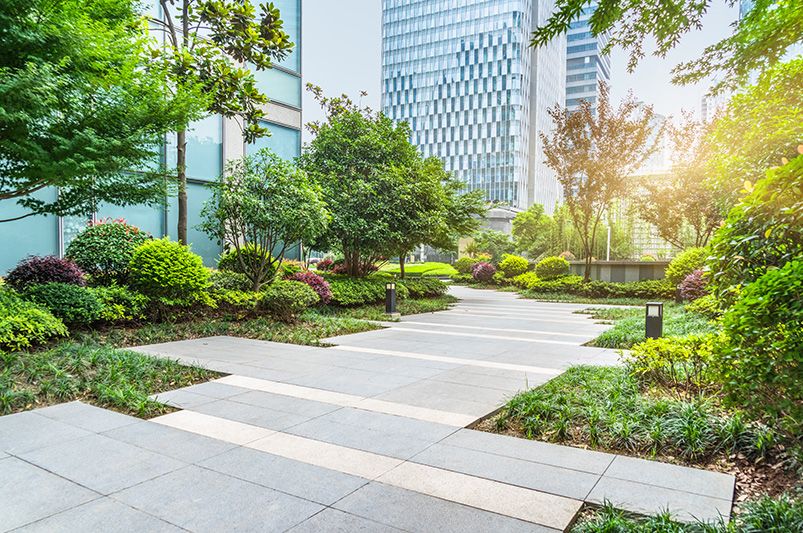
Today’s commercial properties are expected to do more than simply look good. They must operate efficiently, control expenses, and demonstrate environmental responsibility. From office parks and retail centers to industrial facilities and HOAs, property managers are under increasing pressure to reduce operating costs while maintaining strong curb appeal.
That’s where sustainable commercial landscaping comes in.
By combining smart design, water conservation, efficient maintenance practices, and eco-friendly materials, sustainable landscaping delivers long-term savings while enhancing the health and appearance of your property. It’s not just a green initiative — it’s a smart business strategy.
Let’s explore how sustainable commercial landscaping can lower costs, boost property value, and create a more attractive space for tenants and visitors.
What Is Sustainable Commercial Landscaping?
Sustainable commercial landscaping focuses on creating and maintaining outdoor spaces that minimize environmental impact while maximizing efficiency and durability. Instead of relying on high water usage, heavy chemicals, and constant maintenance, sustainable practices emphasize:
- Water conservation
- Native and drought-tolerant plants
- Soil health
- Reduced chemical use
- Energy-efficient equipment
- Smart irrigation systems
The goal is simple: use fewer resources while achieving better results.
When designed properly, these landscapes require less water, fewer repairs, and lower maintenance costs — all while looking clean, professional, and inviting.
Lower Water Bills with Smart Irrigation
Water is one of the largest recurring expenses in commercial landscaping. Traditional irrigation systems often waste water through overwatering, runoff, or poor scheduling.
Switching to smart irrigation can dramatically reduce those costs.
Modern systems include:
Weather-based controllers
These adjust watering schedules automatically based on rainfall, temperature, and soil moisture.
Drip irrigation
Water goes directly to plant roots, reducing evaporation and runoff.
Leak detection technology
Identifies problems early before water bills spike.
By implementing these upgrades, many properties reduce water consumption by 30–50%. That translates into immediate savings month after month — especially in regions with high utility rates.
Native and Drought-Tolerant Plants Save Time and Money
Plant selection plays a huge role in sustainable commercial landscaping success.
Native and drought-resistant plants:
- Require less watering
- Need fewer fertilizers
- Resist pests naturally
- Thrive in local weather conditions
- Reduce plant replacement costs
Unlike high-maintenance turf or exotic species that struggle in local climates, native plants adapt easily and require minimal intervention.
The result? Lower labor costs, fewer replacements, and healthier landscapes year-round.
Plus, natural-looking landscapes often create a more welcoming, modern aesthetic that appeals to customers and tenants.
Reduce Maintenance Costs with Smarter Design
A common misconception is that sustainability requires more work. In reality, thoughtful design reduces maintenance significantly.
Strategic landscaping techniques include:
- Replacing large lawn areas with ground cover or mulch
- Installing hardscapes like stone pathways and decorative rock beds
- Grouping plants with similar water needs
- Using slow-growth turf varieties
Less mowing, trimming, and watering means fewer labor hours and lower equipment costs.
For large commercial properties, these savings add up quickly.
For example, reducing turf space by just 25% can cut weekly mowing time dramatically, freeing crews to focus on higher-value improvements instead of repetitive maintenance.
Eco-Friendly Lawn Care Reduces Chemical Costs
Traditional landscaping often relies on heavy fertilizers, herbicides, and pesticides. These chemicals are expensive and can negatively impact the environment — not to mention the health of employees and visitors.
Sustainable commercial landscaping uses safer alternatives like:
- Organic fertilizers
- Compost and soil conditioners
- Integrated pest management (IPM)
- Natural weed control methods
Healthy soil naturally produces stronger plants that resist pests and disease, reducing the need for costly treatments.
This approach lowers chemical expenses and creates a safer outdoor environment for everyone using your property.
Energy-Efficient Equipment Makes a Big Difference
Gas-powered landscaping equipment consumes fuel, creates noise, and produces emissions. Switching to electric or battery-powered tools can cut both fuel costs and environmental impact.
Benefits include:
- Lower operating costs
- Less maintenance
- Quieter operation
- Reduced carbon footprint
Electric mowers, trimmers, and blowers are increasingly popular for commercial properties because they’re efficient, reliable, and tenant-friendly.
A quieter property is especially valuable for office buildings, healthcare facilities, and residential communities.
Boost Property Value and Tenant Satisfaction
Sustainable landscaping isn’t just about saving money — it also improves how people experience your property.
Clean, well-maintained green spaces:
- Attract tenants
- Increase customer traffic
- Improve employee morale
- Enhance brand image
- Support higher lease rates
Today’s tenants care about sustainability. Many businesses prefer properties that align with their environmental values.
A commitment to sustainable commercial landscaping demonstrates responsibility and forward-thinking management, which can set your property apart from competitors.
It’s a subtle upgrade that can lead to stronger tenant retention and higher occupancy rates.
Improve Stormwater Management
Heavy rain can cause flooding, erosion, and costly property damage. Sustainable landscaping solutions help manage stormwater naturally.
Effective options include:
- Rain gardens
- Permeable pavement
- Bioswales
- Strategic grading
- Vegetative buffers
These systems allow water to soak into the ground rather than pooling on surfaces or overwhelming drainage systems.
This reduces the risk of repairs, protects your foundation and parking lots, and may even help you meet local environmental regulations.
Long-Term ROI That Makes Sense
While some sustainable upgrades require upfront investment, the long-term savings typically outweigh the initial costs.
When you factor in:
- Lower water bills
- Reduced labor hours
- Fewer chemical purchases
- Less equipment maintenance
- Fewer plant replacements
- Higher property value
The return on investment becomes clear.
Many commercial properties see measurable savings within the first one to two years after implementing sustainable improvements.
It’s not just good for the environment — it’s good business.
Partner with a Professional Landscaping Team
Successful sustainable commercial landscaping requires proper planning, design, and ongoing maintenance. Working with an experienced sustainable commercial landscaping provider ensures:
- Customized solutions for your property
- Expert plant selection
- Efficient irrigation installation
- Ongoing cost monitoring
- Professional results year-round
A knowledgeable team can help you transition gradually or redesign your entire landscape for maximum efficiency.
Either way, you’ll benefit from smarter practices that protect both your budget and the environment.
Final Thoughts
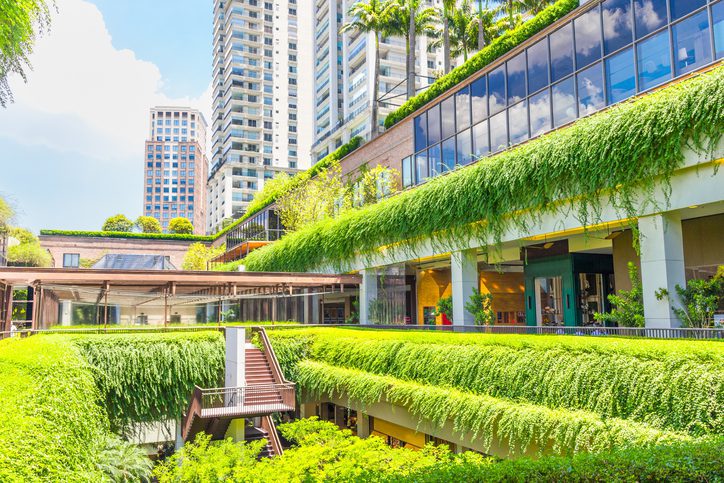
Sustainability is no longer just a trend — it’s becoming the standard for commercial property management.
By investing in sustainable commercial landscaping, you can lower operating costs, reduce resource usage, improve curb appeal, and create a property that tenants and visitors appreciate.
From smart irrigation and native plants to eco-friendly maintenance and energy-efficient equipment, every improvement contributes to a healthier landscape and a stronger bottom line.
If you’re ready to cut costs while going green, sustainable commercial landscaping is one of the smartest upgrades you can make.