
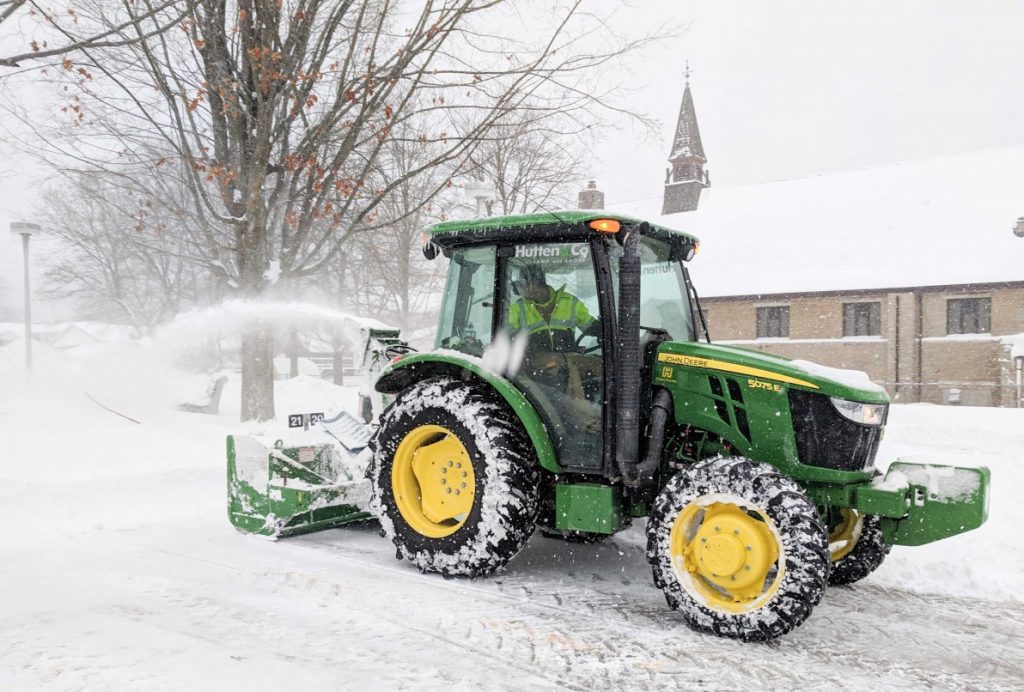
Winter conditions create some of the highest liability risks for commercial property owners. Ice-covered parking lots, walkways, and drive lanes are a leading cause of slip-and-fall accidents, vehicle damage, and personal injury claims. Without a proactive plan in place, one icy morning can quickly turn into costly legal trouble. That’s why effective ice management is not just a maintenance task—it’s a critical liability protection strategy.
In this article, we’ll explore how professional ice management reduces legal exposure, protects people, and keeps commercial parking lots safe and compliant throughout the winter season.
Understanding Liability Risks in Commercial Parking Lots
Commercial property owners and managers have a legal duty of care to maintain reasonably safe premises. During winter, that responsibility extends to snow and ice control. When ice is allowed to accumulate and someone is injured, the property owner may be held liable for negligence.
Common winter-related claims include:
- Slip-and-fall injuries
- Vehicle accidents caused by icy surfaces
- Pedestrian injuries at entrances and crosswalks
- Accessibility violations due to untreated walkways
Proper ice management demonstrates due diligence and significantly lowers the risk of these claims.
Why Ice Is More Dangerous Than Snow
Snow is visible and often expected during winter, but ice presents a hidden danger. Black ice, refreezing meltwater, and compacted snow can be nearly invisible, especially at night or during temperature fluctuations.
Ice-related hazards often occur:
- Overnight when temperatures drop
- Early mornings before foot traffic begins
- After daytime melting followed by refreezing
- Around drains, slopes, and shaded areas
Because ice forms quickly and unpredictably, consistent monitoring and treatment are essential for parking lot safety and liability protection.
How Ice Management Reduces Slip-and-Fall Claims
Slip-and-fall accidents are among the most common and expensive liability claims for commercial properties. Medical costs, legal fees, and settlements can escalate rapidly.
Effective ice management helps reduce these risks by:
- Preventing ice from forming through pre-treatment
- Breaking down existing ice before it becomes compacted
- Improving traction for both pedestrians and vehicles
- Addressing high-risk areas before accidents occur
A well-executed ice management plan can mean the difference between a safe property and a costly lawsuit.
Demonstrating Due Diligence and Legal Compliance
In liability cases, courts often look at whether the property owner took reasonable steps to prevent hazards. Ice management plays a key role in demonstrating that effort.
Key elements that support due diligence include:
- Timely application of de-icing materials
- Regular inspections during winter conditions
- Prompt response to freezing rain or refreeze events
- Clear documentation of services performed
Professional ice management services often provide detailed service logs, which can be invaluable if a claim arises.
Protecting High-Risk Areas in Parking Lots
Not all areas of a commercial parking lot carry the same level of risk. Ice management strategies must prioritize locations where accidents are more likely to occur.
High-risk areas include:
- Building entrances and exits
- Pedestrian walkways and crosswalks
- Ramps and sloped surfaces
- Loading zones and delivery areas
- Accessible parking spaces
Targeted ice management ensures these zones remain safe and accessible, reducing exposure to liability claims.
Improving Vehicle Safety and Traffic Flow
Ice doesn’t just threaten pedestrians—it also increases the risk of vehicle accidents. Slippery parking lots can lead to fender benders, collisions with curbs, and loss of vehicle control.
Proper ice management improves vehicle safety by:
- Enhancing traction in drive lanes
- Reducing stopping distances
- Preventing skidding near intersections
- Keeping emergency and fire lanes clear
Fewer vehicle incidents mean fewer damage claims and less disruption to business operations.
Supporting Accessibility and ADA Compliance
For commercial properties, accessibility is a legal requirement—not an option. Ice-covered walkways and parking spaces can prevent safe access for individuals with mobility challenges.
Effective ice management supports accessibility by:
- Keeping accessible parking spaces clear
- Maintaining ice-free curb ramps
- Ensuring safe routes to entrances
- Reducing barriers caused by refrozen meltwater
Failing to address these areas can result in compliance violations and additional legal exposure.
Reducing Long-Term Surface Damage
Ice doesn’t just cause accidents—it also damages parking lot surfaces. Freeze-thaw cycles allow water to seep into cracks, where it expands and creates potholes.
Proactive ice management helps:
- Reduce water penetration into pavement
- Minimize freeze-related cracking
- Prevent premature surface deterioration
- Lower long-term repair and resurfacing costs
Maintaining surface integrity further reduces trip hazards and liability risks over time.
The Role of Professional Ice Management Services
Managing ice effectively requires specialized equipment, materials, and experience. Professional ice management providers offer proactive solutions that go beyond reactive salt spreading.
Benefits of professional services include:
- 24/7 weather monitoring
- Pre-treatment before storms
- Commercial-grade de-icing products
- Environmentally responsible application methods
- Detailed documentation for liability protection
Partnering with professionals ensures your property remains protected even during unpredictable winter conditions.
Documentation: Your Best Defense Against Claims
If an incident occurs, documentation can be the strongest defense. Ice management records prove that reasonable care was taken to maintain safe conditions.
Important documentation includes:
- Time-stamped service reports
- Materials applied and quantities used
- Weather conditions at service times
- Inspection and follow-up records
These records can significantly reduce legal exposure and insurance disputes.
Final Thoughts

Winter liability risks are unavoidable—but preventable. Investing in proactive ice management is one of the most effective ways to protect commercial parking lots from accidents, claims, and costly legal consequences.
By addressing ice hazards early, prioritizing high-risk areas, maintaining accessibility, and working with professional service providers, property owners can demonstrate due diligence while keeping people safe.
In the end, effective ice management doesn’t just protect pavement—it protects your business, your reputation, and everyone who uses your property throughout the winter season.