
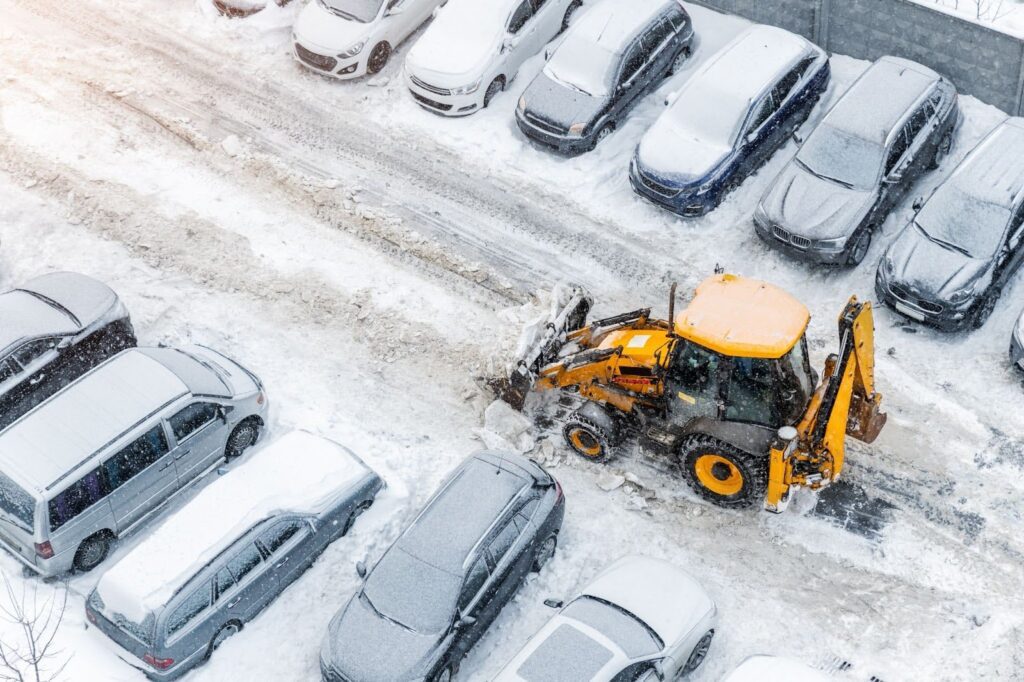
Winter brings more than just cold temperatures—it introduces serious safety challenges for commercial properties. Snow, ice, freezing rain, and reduced visibility can quickly turn a well-maintained parking lot into a hazardous area for employees, customers, and visitors. Prioritizing parking lot safety during winter months is not only a best practice but also a critical step in protecting people, property, and your business from costly liabilities.
Below are essential winter safety tips every property manager and business owner should follow to keep commercial parking lots safe, accessible, and compliant all season long.
Why Parking Lot Safety Matters in Winter
Commercial parking lots are high-traffic areas. During winter, slip-and-fall accidents, vehicle collisions, and pedestrian injuries increase significantly due to icy surfaces and poor visibility. A single accident can lead to legal claims, rising insurance costs, and reputational damage.
By focusing on proactive parking lot safety, businesses can:
- Reduce accident risks
- Maintain accessibility and operations
- Protect against liability claims
- Enhance customer and employee confidence
Winter safety planning is an investment, not an expense.
1. Implement Timely Snow Removal
Snow accumulation is one of the biggest threats to winter parking lot safety. Even a few inches of snow can conceal ice, curbs, potholes, and lane markings.
Best practices include:
- Clearing snow as soon as accumulation begins
- Plowing frequently during heavy snowfall
- Removing snow piles that block visibility or access points
- Keeping fire lanes and emergency routes clear
Delays in snow removal can allow snow to compact and freeze, making removal more difficult and increasing slip hazards.
2. Prioritize Ice Control and De-Icing
Ice is often invisible, making it more dangerous than snow. Black ice forms quickly when temperatures fluctuate, especially overnight.
To improve parking lot safety, use effective ice management strategies such as:
- Applying salt, sand, or eco-friendly de-icing products
- Pre-treating surfaces before storms
- Reapplying de-icers after plowing or freezing rain
- Focusing on high-risk areas like entrances, ramps, and crosswalks
Consistent ice control significantly reduces slip-and-fall incidents.
3. Maintain Clear Pedestrian Walkways
Parking lot safety isn’t only about vehicles—pedestrian safety is equally important. Customers and employees often walk longer distances from parking spaces to building entrances, increasing their exposure to winter hazards.
Ensure safety by:
- Clearing sidewalks and walkways promptly
- Installing non-slip mats near entrances
- Applying extra de-icer on foot traffic zones
- Creating designated pedestrian paths
Well-maintained walkways demonstrate your commitment to safety and accessibility.
4. Improve Lighting for Winter Visibility
Winter days are shorter, and storms can reduce visibility even during daylight hours. Poor lighting increases the risk of accidents, especially when surfaces are icy or snow-covered.
Enhance parking lot safety by:
- Inspecting and repairing all lighting fixtures
- Upgrading to LED lighting for brighter illumination
- Ensuring even light distribution across the lot
- Removing snow from light poles and fixtures
Good lighting helps drivers see obstacles and allows pedestrians to navigate safely.
5. Keep Parking Lot Markings Visible
Snow and ice can obscure lane lines, parking spaces, crosswalks, and directional arrows. When markings disappear, confusion increases—and so do accidents.
To maintain clarity:
- Repaint faded lines before winter begins
- Use reflective or high-visibility paint
- Install temporary signage when markings are covered
- Clear snow thoroughly from painted areas
Clear markings are essential for smooth traffic flow and winter parking lot safety.
6. Inspect and Repair Surface Damage
Winter weather accelerates wear and tear on parking lot surfaces. Freeze-thaw cycles can turn small cracks into major potholes.
Routine inspections should focus on:
- Filling cracks before winter sets in
- Repairing potholes promptly
- Addressing drainage issues that lead to ice buildup
- Ensuring curbs and speed bumps remain visible
Proactive maintenance reduces trip hazards and prevents further structural damage.
7. Ensure Proper Drainage
Standing water in winter quickly turns into ice, creating dangerous conditions. Poor drainage is a hidden threat to parking lot safety.
Prevent drainage issues by:
- Clearing snow away from drains and catch basins
- Inspecting slopes to ensure proper runoff
- Removing debris that blocks water flow
- Addressing low spots where water collects
Good drainage minimizes ice formation and improves long-term surface durability.
8. Use Clear Signage and Warnings
During extreme winter conditions, temporary hazards may be unavoidable. Clear signage helps reduce risk and shows due diligence.
Effective signage includes:
- “Caution: Slippery When Wet” signs
- Temporary barriers around icy zones
- Directional signs for alternate routes
- Speed limit reminders for snowy conditions
Visible warnings play a crucial role in winter parking lot safety.
9. Schedule Regular Safety Inspections
Conditions can change rapidly during winter. A parking lot that was safe in the morning may become hazardous by evening.
Develop a winter inspection routine that includes:
- Multiple daily checks during storms
- Monitoring overnight temperature drops
- Documenting maintenance and service times
- Adjusting safety measures as conditions change
Consistent inspections help identify risks before accidents occur.
10. Partner With Professional Winter Maintenance Services
Managing winter parking lot safety requires experience, equipment, and round-the-clock responsiveness. Professional snow and ice management crews offer reliable solutions that go beyond basic plowing.
Benefits of professional services include:
- 24/7 monitoring and response
- Commercial-grade equipment and materials
- Liability-reducing documentation
- Customized winter safety plans
Outsourcing winter maintenance ensures your parking lot remains safe, compliant, and accessible throughout the season.
Final Thoughts
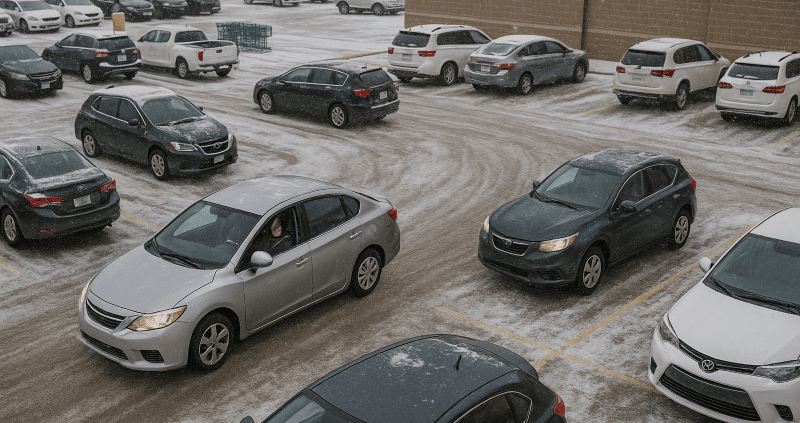
Winter weather is unpredictable, but your approach to parking lot safety doesn’t have to be. By planning ahead, maintaining surfaces, controlling snow and ice, and investing in professional support, businesses can significantly reduce winter hazards.
A safe parking lot protects more than pavement—it protects people, reputations, and long-term business success. Making winter safety a priority today helps ensure smooth operations and peace of mind all season long.