
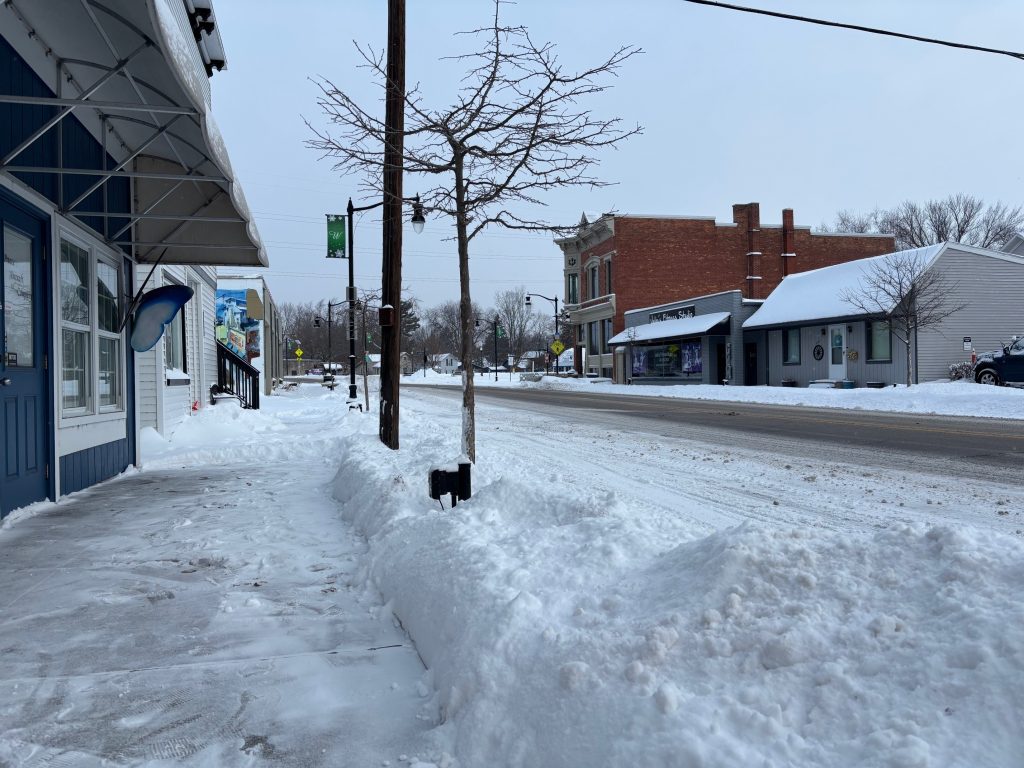
Winter storms can be brutal on residential and commercial properties alike. Heavy snow, ice accumulation, and fluctuating temperatures leave behind more than just melting snowbanks—they often cause hidden damage that can impact your landscape well into the warmer months. Post–Snow Storm property restoration is a critical step in protecting your investment, ensuring safety, and preparing your landscape for a healthy spring recovery.
This guide explains what happens to your property after severe winter weather, what restoration involves, and why professional landscaping services make a major difference from ice damage repair to full spring readiness.
Understanding Post–Snow Storm Landscape Damage
Not all winter damage is obvious at first glance. While fallen branches and icy walkways are easy to spot, many issues develop beneath the surface during and after snow storms.
Common Post–Snow Storm issues include:
- Broken or weakened tree limbs
- Ice-damaged shrubs and evergreens
- Compacted soil and suffocated turf
- Salt damage to plants and soil
- Shifted pavers, edging, and retaining walls
- Poor drainage caused by snowmelt
Without timely Post–Snow Storm restoration, these problems can worsen, leading to higher repair costs and delayed spring growth.
Step One: Safety and Site Assessment
The first stage of Post–Snow Storm property restoration is a thorough site assessment. Safety is the top priority.
Professional landscaping crews inspect:
- Trees with cracked or hanging branches
- Ice-damaged walkways and entrances
- Areas prone to refreezing and slip hazards
- Hardscape features affected by freeze-thaw cycles
Identifying hazards early helps prevent injuries and further property damage while creating a clear restoration plan.
Tree and Shrub Recovery After Ice Damage
Restoring Woody Plants Post–Snow Storm
Trees and shrubs often bear the brunt of winter storms. Ice buildup adds significant weight, causing limbs to bend, split, or snap entirely.
Post–Snow Storm restoration for trees includes:
- Pruning broken or stressed branches
- Removing hazardous limbs safely
- Assessing structural integrity of mature trees
- Shaping shrubs to encourage healthy regrowth
Proper pruning after a Post–Snow Storm promotes healing and reduces the risk of disease or pest infestations later in the season.
Lawn and Soil Rehabilitation
Addressing Compaction and Turf Stress
Snow and ice can compress soil, depriving grass roots of oxygen and nutrients. When snow melts, saturated ground becomes vulnerable to damage from foot traffic and equipment.
Post–Snow Storm lawn restoration focuses on:
- Preventing further compaction
- Identifying dead or matted turf areas
- Planning aeration and overseeding for spring
- Improving soil structure and drainage
Early intervention allows lawns to recover faster and greener once temperatures rise.
Dealing With Salt and De-Icing Damage
A Hidden Post–Snow Storm Threat
While de-icing products improve safety, they can severely impact plants and soil if overused or improperly applied.
Signs of salt damage after a Post–Snow Storm include:
- Browning or burned leaf edges
- Patchy grass growth near walkways
- Hardened or crusted soil surfaces
Professional landscapers flush affected areas, amend soil, and recommend plant-safe alternatives to minimize long-term damage.
Hardscape Inspection and Repairs
Freeze-Thaw Cycles Take a Toll
Repeated freezing and thawing during winter can shift hardscape elements and weaken structural stability.
Post–Snow Storm hardscape restoration may involve:
- Resetting uneven pavers
- Repairing cracked concrete or stone
- Reinforcing retaining walls
- Clearing joints and drainage channels
Addressing these issues early prevents further deterioration and costly repairs down the road.
Drainage and Snowmelt Management
Preventing Water Damage Post–Snow Storm
As snow melts, excess water can pool around foundations, walkways, and landscaped areas.
Professional crews ensure:
- Drains and catch basins are cleared
- Downspouts direct water away from structures
- Grading supports proper runoff
- Ice-prone areas are minimized
Effective Post–Snow Storm drainage management protects both landscapes and buildings from water-related damage.
Preparing for Spring Growth
Transitioning From Winter Recovery to Renewal
Post–Snow Storm restoration isn’t just about fixing damage—it’s about preparing your property for a successful growing season.
Spring readiness services often include:
- Final pruning and cleanup
- Soil testing and amendments
- Fertilization planning
- Mulching and bed preparation
- Scheduling planting or landscaping upgrades
A proactive approach ensures your landscape doesn’t just recover—it thrives.
Residential vs. Commercial Post–Snow Storm Restoration
Customized Solutions for Every Property
Residential properties focus on curb appeal, safety, and plant health, while commercial sites prioritize accessibility, liability reduction, and operational continuity.
Professional landscaping companies tailor Post–Snow Storm restoration plans to match each property’s needs, scale, and usage patterns.
Why Professional Post–Snow Storm Restoration Matters
Attempting DIY restoration can lead to missed issues, accidental damage, or delayed recovery.
Professional landscaping services offer:
- Trained eyes to spot hidden damage
- Proper tools and techniques
- Efficient timelines
- Reduced long-term repair costs
- Peace of mind during seasonal transitions
Investing in Post–Snow Storm restoration protects your property and saves money over time.
Final Thoughts
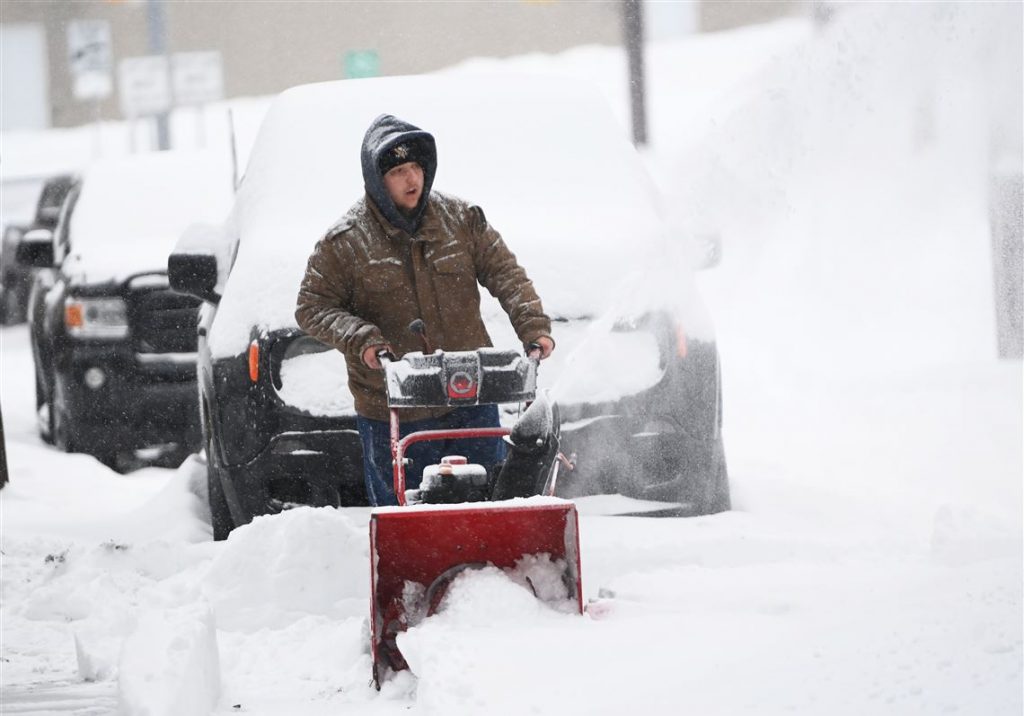
Winter weather may be unpredictable, but your response doesn’t have to be. Post–Snow Storm property restoration bridges the gap between harsh winter conditions and a vibrant, healthy spring landscape.
From repairing ice damage to restoring soil health and preparing for new growth, professional landscaping crews play a vital role in protecting your property year-round. With the right care and planning, your landscape can emerge from winter stronger, safer, and ready to flourish.