
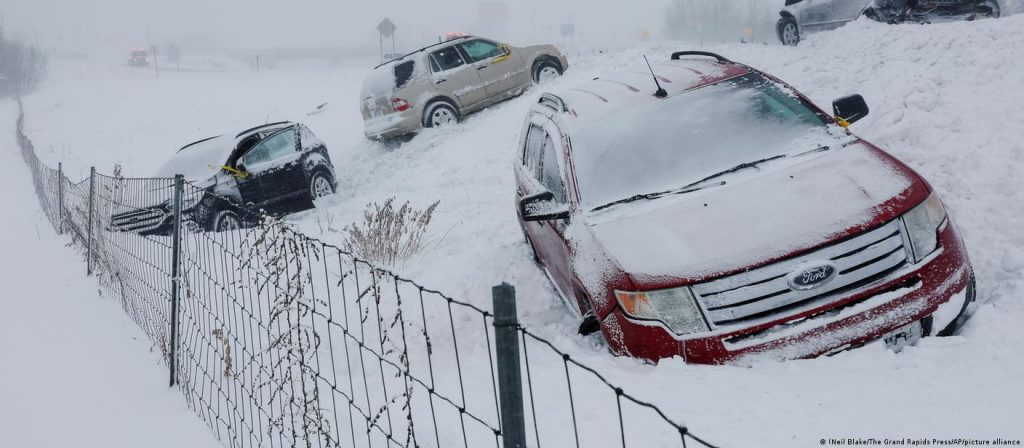
A Severe Snow Storm can transform your property overnight—from a well-maintained landscape into a site of broken branches, compacted lawns, and hidden damage. While snow is a normal part of winter in many regions, extreme snowfall, ice accumulation, and freezing temperatures can pose serious risks to trees, shrubs, lawns, and hardscape features. The good news? With the right preparation and professional follow-up care, you can significantly reduce damage and protect your investment.
This guide walks you through essential steps to safeguard your landscape before a Severe Snow Storm hits and how to properly restore it after the storm passes.
Why Severe Snow Storms Are Hard on Landscapes
Unlike light snowfall, a Severe Snow Storm brings heavy, wet snow, ice, and strong winds. These conditions can:
- Snap tree limbs and damage young trees
- Crush shrubs and ornamental plants
- Compact soil and turf, restricting root health
- Cause ice buildup that damages bark and plant tissue
- Shift pavers, edging, and retaining walls
Understanding these risks is the first step in protecting your landscape from long-term damage.
How to Protect Your Landscape Before a Severe Snow Storm
1. Prune Trees and Shrubs Strategically
One of the most effective preventative measures before a Severe Snow Storm is proper pruning. Weak, dead, or overextended branches are more likely to break under the weight of snow and ice.
- Remove dead or diseased limbs before winter intensifies
- Thin dense canopies to reduce snow load
- Shape shrubs to prevent snow from collecting on flat surfaces
Professional landscapers know how to prune safely without stressing plants, ensuring healthier growth come spring.
2. Protect Vulnerable Plants
Certain plants—especially evergreens, ornamentals, and young plantings—are more susceptible to storm damage.
- Wrap shrubs and small trees with burlap
- Use stakes or frames to support plants that may bend or split
- Apply mulch to insulate roots from extreme cold
These steps help plants withstand freezing temperatures and heavy snowfall during a Severe Snow Storm.
3. Prepare Lawns and Soil
Healthy soil is more resilient. Before winter storms arrive:
- Aerate compacted lawns in fall
- Apply winter fertilizer to strengthen roots
- Avoid heavy foot traffic on frozen turf
Compacted soil caused by snow and ice can suffocate grass roots, making spring recovery much harder.
4. Safeguard Hardscape Features
Snow storms don’t just impact plants. Walkways, patios, retaining walls, and garden borders can also suffer.
- Mark pathways, curbs, and landscape edges with stakes
- Ensure proper drainage to prevent ice buildup
- Inspect retaining walls for weaknesses before winter
Clear markers help snow removal crews avoid accidental damage during or after a Severe Snow Storm.
What to Do After a Severe Snow Storm
Once the storm has passed, it’s tempting to rush into cleanup—but doing it wrong can cause more harm than good.
5. Remove Snow and Ice Carefully
Never shake or beat plants to remove snow. This can snap frozen branches.
- Gently brush snow off shrubs with a broom
- Let ice melt naturally whenever possible
- Avoid using metal tools near plants
Patience is key when dealing with post-storm cleanup.
6. Inspect Trees for Structural Damage
After a Severe Snow Storm, trees should be carefully inspected for:
- Cracked or split limbs
- Hanging branches that pose safety risks
- Leaning trees caused by saturated soil
Damaged limbs should be professionally removed to prevent further breakage or hazards to people and property.
7. Watch for Hidden Plant Stress
Some damage isn’t immediately visible. In the weeks following a Severe Snow Storm, look for:
- Browning needles on evergreens
- Split bark or frost cracks
- Wilting or dieback once temperatures rise
Early detection allows landscapers to take corrective action before permanent damage sets in.
8. Address Lawn Compaction and Drainage Issues
Melting snow often leads to pooling water and compacted soil.
- Avoid walking on soggy lawns
- Schedule spring aeration if needed
- Repair drainage problems promptly
These steps ensure grass roots receive oxygen and nutrients once growth resumes.
Why Professional Landscaping Matters After Severe Snow Storms
While some cleanup can be handled by property owners, Severe Snow Storm recovery often requires professional expertise. Landscaping companies provide:
- Safe tree and limb removal
- Proper pruning to encourage recovery
- Lawn repair and soil restoration
- Hardscape inspections and repairs
Professionals also know how to spot early signs of stress that untrained eyes may miss, saving you money and preventing long-term damage.
Planning Ahead for Future Severe Snow Storms
The best protection strategy is proactive planning. Working with a landscaping company before winter ensures your property is storm-ready year after year.
Seasonal services may include:
- Pre-winter inspections
- Snow and ice management plans
- Tree health assessments
- Spring recovery programs
This approach minimizes surprises and keeps your landscape resilient—even after the harshest Severe Snow Storm.
Final Thoughts
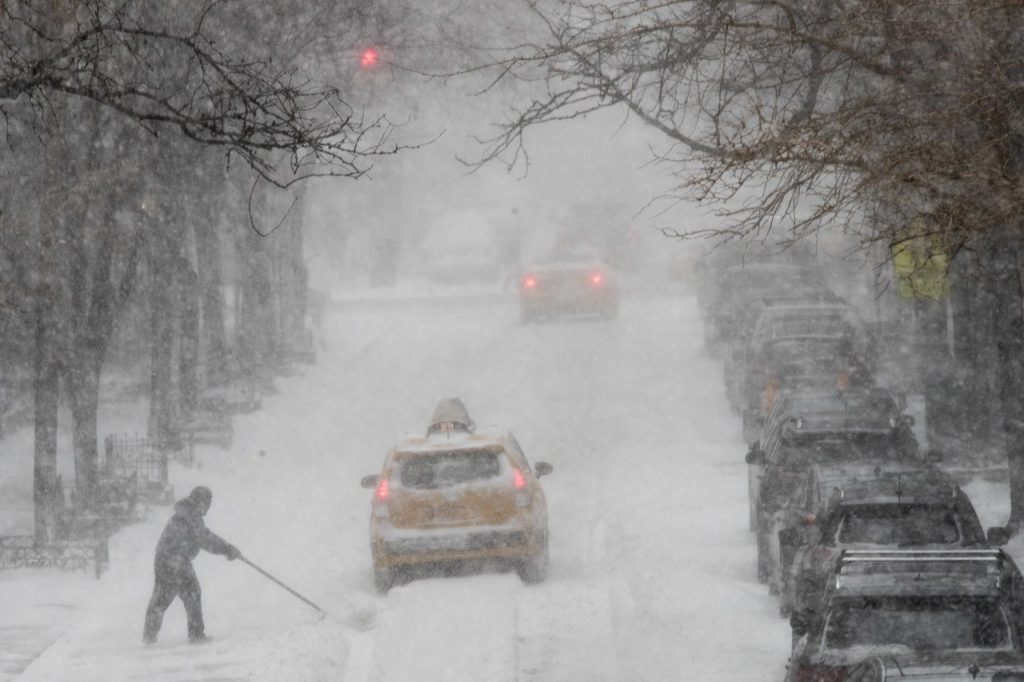
A Severe Snow Storm doesn’t have to spell disaster for your landscape. With proper preparation, careful post-storm care, and professional support, your property can withstand winter’s toughest conditions and bounce back strong in spring.
Protecting your landscape isn’t just about aesthetics—it’s about safety, longevity, and preserving the value of your outdoor investment. Start planning now, and let experienced landscaping professionals help you weather every storm with confidence.